Topic
Fundraising and Venture Capital
How music tech startups raise money from angels, venture capital and other investors. 49 conversations with founders, investors and experts, newest first.
Episodes (49)
Michael Bizenov of Sound Royalties explains how music creators get cash advances against royalty income without losing ownership of masters or copyrights.
Chantal Epp, founder of ClicknClear, explains how her startup licenses music in bulk for cheerleading and sports events to unlock untapped revenue.
Matt Urmy, founder of Artist Growth, explains why he pivoted to enterprise software for labels and why raising money before a product was a mistake.

Faraan Irfan, founder and CEO of Saarey Music, explains how a 25-year exclusive license built a profitable streaming app for South Asian classical music.
Viktrs founder Mark Bamford explains how tracking viewer curiosity inside a video earns artists far more than YouTube pays, and why he expanded beyond music.
Jan Willem, co-founder of Momants and Paylogic, describes his five-year ticketing exit and why he still bets on founders.
Christian Ringstad Schultz, CEO of Masterchannel, explains how proprietary AI mastering and a white-label API built a profitable, lean music tech company.
Björn Lindvall, CEO and co-founder of Music Infra, explains why outdated file formats and a disjointed supply chain leave rights holders underpaid.

Alan Wallis, CEO of Dynamite Songs, explains why he avoids catalogs under ten years old, how sync licensing drives value, and how cost of capital shapes deals.
Amplitude Ventures' Jakob Wredstrøm and Taj argue music tech investing has no real supporting data, few active angels, and mostly weak exits below $50 million.
Erik Herrström of Studio Herrström explains why music tech brands look alike and how founders should test a brand before pitching it to investors.

Collette Tibbetts, founder of the angel syndicate Joker Deck, explains why music tech investing is risky and why smaller checks work better.
Yonas Aregai, chief of staff at Gold State Music, explains how the fund values and acquires music catalogs, using Alan Walker's career as a case study.

Megh Vakharia and Chuka Chase, co-founders of Symphony, explain how their artist marketing agency became a DIY tool for every creator.

Joseph Perla, founder of Hangout.fm and creator of TurnTable.fm, explains why music licensing took four years to secure before launch.
Clémentin Diard, founder of Control Reach, explains why raising money for a music marketing startup is so slow and why the company moved fully to B2B clients.
Xavier Péters, CEO of LeanSquare, explains how the fund picks late-seed music tech startups, why team matters most, and why Wallifornia helps validate deals.
Antony Demekhin, CEO and co-founder of Tuney, explains why his ethical AI music tools skip scraped training data and aim to simulate real music production.
Yusuke Sugino, president and CEO of Yamaha Music Innovations, explains why Yamaha is investing in music tech and how its new fund plans to support startups.
Jody McKinley, founder of Eleven75, explains how fractional specialists help early-stage music companies with revenue, product and licensing needs.
Maciej Dulski, co-founder of MusicTech Lab, explains why boring B2B fixes for metadata and licensing beat flashy consumer apps in music tech.
Jakob Wredstrøm of Amplitude Ventures breaks down why music tech investors are scarce and how founders should frame their pitch and fundraising targets.
 1 h 8 min
John Samuel Gerhart and Chris Santillo share how they went from LA's grind to signing with Simon Cowell and founding the artist-centric label Lightworks.

Andrea Rosen of Best Nights VC explains why music is a catalyst for nightlife, why music tech is broken, and what founders must fix to attract investors.

Con Raso of Tuned Global and Andrew Batey, founder of Beatdapp, explain how machine learning catches music streaming fraud and why it pays real artists more.
Clément Souchier, founder of Bridge Audio, discusses building a neutral platform for music assets and using AI to improve discovery.

Michael Böwadt and Rie Pripsø explain how SoundHub and SoundInvest support hardware-based SoundTech startups with acceleration and funding.

Georgia Taglietti, founder of the International Consulting Network for the Arts, explains how tech startups can communicate with the music industry.
Thierry Baujard of MediaDeals discusses why music tech lacks investors and how the Music Tech Europe Academy prepares startups for financing.
Gareth Deakin of Sonorous explains why music tech startups struggle to raise venture capital and how founders can reframe to attract investors.
Lasse Andresen, founder of ForgeRock, on leaving music, building a $3 billion identity software company, and using tech to help artists earn a living.
Mansoor Rahimat Khan, co-founder and CEO of Beatoven.ai, explains how the company trains generative music on licensed artist data.
Vickie Nauman of Cross Border Works explains industry market fit, why music tech startups fail, and how founders can de-risk music for investors.

Xavier Péters, Thierry Baujard, Hazel Savage, and Florian Stadler discuss team, timing, and proprietary AI when deciding which music tech startups to back.
Morgan Hayduk and Andrew Batey, co-founders of Beatdapp, explain how they built streaming fraud detection and raised a $17 million Series A.
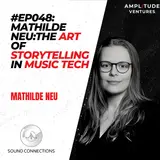
Mathilde Neu, founder of Resonance Agency and co-founder of Music Tech France, explains why founders must adapt their message to reach the music industry.
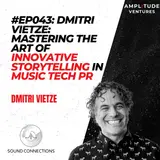
Dmitri Vietze, founder of Rock Paper Scissors and the Music Tectonics Conference, explains why music tech startups struggle to attract investors.
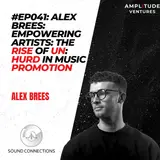
Alex Brees, founder and CEO of un:hurd, explains how the platform brings major-label marketing tools to independent artists at an affordable price.
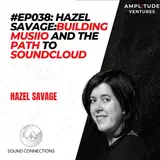
Hazel Savage, VP of Music Intelligence at SoundCloud and former Musiio CEO, explains how she built an AI music-tagging startup and sold it to SoundCloud.

Agnes Chung, co-founder of Musicube, on building AI-driven music search in Hamburg and why the startup chose to be acquired by Songtradr.
Mogul founder Jeff Ponchick, who sold Repost to SoundCloud, on why no artist he interviewed felt confident they were paid in full, and how Mogul fixes that.
Music tech advisor Amanda Schupf explains why founders misdiagnose problems, what makes a pitch deck work, and why fundraising takes months to close.
Con Raso, founder and CEO of Tuned Global, explains building a music licensing platform with 130 million tracks and expanding into Southeast Asia.
Mischa Sigtermans, founder of Stagent, explains how the booking platform got built, funded and merged with a longstanding rival.
Svitlana Pozniakova, CEO of Nexro, explains how her royalty-exchange startup pivoted into an AI platform that predicts artist careers for labels.
Jacquelle Horton, founder of Fave, explains how the platform verifies superfan activity and gives artist teams data on their most engaged fans.
Christiana Sudano, founder of Do Less Management, explains how she connects Nordic artists to LA and Nashville and why managers now handle artist development.
Jørgen Iden, co-founder and CEO of Crescat, explains how collaborative software replaces outdated riders and running orders in live event production.
Capella Entertainment's founders explain how pitching music as IP won over investors and helped them build seven companies in under two years.
Questions these episodes answer
How do music royalty advances differ from a bank loan?
Sound Royalties gives advances against royalty income rather than lending against credit. It asks for no personal guarantee, no credit history check and no share of future profits, structuring each deal as a fixed payment over a fixed term instead of an equity-like stake.
From: The Business of Turning Music Royalties into Growth Capital
What financial profile qualifies a creator for royalty financing?
A creator needs about $400 a month in royalty income to qualify, and deals scale from small amounts up to eight figures. Underwriting weighs roughly 12 to 14 inputs such as catalog concentration, song age, genre decay curves and who is paying the royalties.
From: The Business of Turning Music Royalties into Growth Capital
Why doesn't Sound Royalties become a label or distributor?
Staying purely in financing keeps the company neutral, so labels, distributors and publishers refer clients because Sound Royalties never competes for their role. It also never takes a share of profits or a right of first refusal, which protects the trust that keeps referrals coming.
From: The Business of Turning Music Royalties into Growth Capital
How does Sound Royalties value future royalty income?
Instead of valuing a catalog like a stock, the company projects income deal by deal, applying decay curves based on genre, song age and whether income comes from one-off sync placements or steady long-term catalog performance, aiming to keep the advance below what a creator could struggle to repay.
From: The Business of Turning Music Royalties into Growth Capital
What is Michael Bizenov's advice for founders building music finance companies?
Start narrow rather than trying to serve everyone. Sound Royalties began working with only two payors, ASCAP and BMI, then grew gradually to more than 250 as it built expertise and reputation, reinvesting knowledge from each deal instead of expanding too fast.
From: The Business of Turning Music Royalties into Growth Capital
Why can't large sporting events license music song by song?
Epp says a single large cheerleading competition can use around 8,000 songs in one weekend, which makes clearing each track individually completely unworkable. That volume is exactly why ClicknClear built a blanket, low-fee licensing system instead of relying on traditional one-off sync deals.
From: Building the Infrastructure for Scalable Music Licensing
How does ClicknClear license music for video-on-demand content?
Epp says ClicknClear can grant blanket licenses directly for video-on-demand platforms where it already holds the necessary rights, and works with additional rights holders on a project basis when it needs broader coverage, alongside automated technology that mutes any track that has not been cleared.
From: Building the Infrastructure for Scalable Music Licensing
How big is the untapped micro-licensing market in music?
Epp estimates the global micro-licensing market at around 14 billion dollars a year in revenue the music industry is not currently collecting, spread across areas like sport and video-on-demand content that use music constantly but rarely pay for it properly.
From: Building the Infrastructure for Scalable Music Licensing
How did Chantal Epp raise money as a sole founder?
Epp says her very first investor believed in the company enough that he effectively worked for her full time without taking a salary, in the company's early years, well before ClicknClear could otherwise have afforded that kind of commitment from a team member.
From: Building the Infrastructure for Scalable Music Licensing
How did Chantal Epp come up with the idea for ClicknClear?
Epp was a competitive cheerleader and coach when her sport's own federation announced that commercial songs used in routines would now need to be licensed. Already familiar with music licensing and connected to people inside the federation, she saw an opportunity to build the compliance system herself.
From: Building the Infrastructure for Scalable Music Licensing
Why do apps built for independent artists struggle to make money?
Independent artists spend nearly everything on pressing records, merch, studio time and travel, so organizing their business sits low on the list of things they will pay for. Urmy's free artist app drew fifteen thousand sign-ups but zero paid subscribers within six months, which forced him to pivot toward labels and management companies instead.
Should a music startup raise money before it has a product?
No. Urmy raised a million dollars on a slide deck and a spreadsheet before Artist Growth had a working prototype, and he now calls it a huge mistake. His advice is to build something, get one real paying customer, and only raise capital once the product already works in the market.
People
- Michael Bizenov
- Chantal Epp
- Matt Urmy
- Faraan Irfan
- Mark Bamford
- Jan Willem
- Christian Ringstad Schultz
- Björn Lindvall
- Alan Wallis
- Erik Herrström
- Collette Tibbetts
- Yonas Aregai
- Megh Vakharia
- Chuka Chase
- Joseph Perla
- Clémentin Diard
- Xavier Péters
- Antony Demekhin
- Yusuke Sugino
- Jody McKinley
- Maciej Dulski
- John Samuel Gerhart
- Chris Santillo
- Andrea Rosen
- Con Raso
- Andrew Batey
- Clément Souchier
- Michael Böwadt
- Rie Pripsø
- Georgia Taglietti
- Thierry Baujard
- Gareth Deakin
- Lasse Andresen
- Mansoor Rahimat Khan
- Vickie Nauman
- Morgan Hayduk
- Mathilde Neu
- Dmitri Vietze
- Alex Brees
- Hazel Savage
- Agnes Chung
- Jeff Ponchick
- Amanda Schupf
- Mischa Sigtermans
- Svitlana Pozniakova
- Jacquelle Amankonah Horton
- Christiana Sudano
- Jørgen Iden