Guest
Antony Demekhin
Antony Demekhin is CEO and Co-founder at Tuney, as introduced on the show.
Episodes (1)
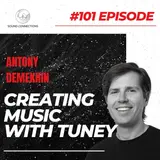
Antony Demekhin, CEO and co-founder of Tuney, explains why his ethical AI music tools skip scraped training data and aim to simulate real music production.
Questions these episodes answer
Why does Tuney call itself an ethical AI music company?
Demekhin says Tuney does not scrape the internet or license stock libraries to train its models. It commissions all of its own music and uses no third-party models or data, a choice he made from the start of the company in 2020 to keep the product both legally safe and commercially licensable.
How is Tuney's music generation different from tools like Suno or Udio?
Demekhin argues pure text-to-music tools generate a finished result but do not let a user actually produce or edit anything, which makes them closer to music discovery than music creation. Tuney instead assembles high quality pre-produced loops using a system that understands music theory, giving users something closer to a real production experience.
Why doesn't Tuney train its models on a large scraped dataset like other AI music tools?
Demekhin says training on scraped internet audio, usually compressed MP3s rather than real wave files, degrades the sonic quality of whatever a model then generates. Because he wanted a commercially viable, high quality product from the start, Tuney instead assembles pre-produced, high fidelity building blocks of music rather than generating audio from a model trained this way.
Can AI-generated music actually be sold or licensed to brands and agencies?
Demekhin says the US Copyright Office holds that fully AI-generated output has no owner, so a brand, ad agency or film studio cannot legally buy or license it even if a generator's marketing says otherwise. That gap is why Tuney built a human-directed, loop-based system instead, so its output can actually be sold to commercial customers.