Topic
AI in Music
How artificial intelligence is changing music creation, production, rights and the business around them. 73 conversations with founders, investors and experts, newest first.
Episodes (73)
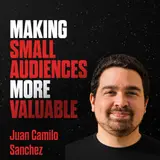
JC Sanchez, founder of Orphiq, explains how AI can help independent artists manage careers and monetize smaller audiences.
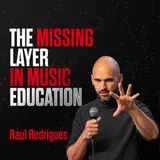
Raul Rodrigues, founder and CEO of Upbeat Studio, explains why drums are an underserved niche and how AI can finally add a teacher's judgment to music apps.
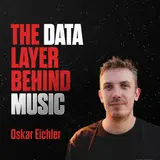
Songstats founder Oskar Eichler explains how his bootstrapped analytics platform tracks artist data and why AI is turning music into advertising for artists.
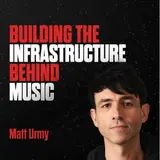
Matt Urmy, founder of Artist Growth, explains why he pivoted to enterprise software for labels and why raising money before a product was a mistake.
Casey Kolb, founder and CEO of Lunacy, explains why plugins must feel as good as they sound and how Nova lets people build them with AI.
Aidan Schechter, CEO of Patchbay and partner at 1916 Enterprises, explains why independent music companies share the same workflows and need common software.
Noam Levinberg, founder of Safari Audio, on why AI-built plugins and prompt-based music tools may make DAWs and plugin companies obsolete.
Jan Willem, co-founder of Momants and Paylogic, describes his five-year ticketing exit and why he still bets on founders.
Christian Ringstad Schultz, CEO of Masterchannel, explains how proprietary AI mastering and a white-label API built a profitable, lean music tech company.
Beatdapp co-founders Andrew Batey and Morgan Hayduk explain how streaming royalty fraud and money laundering work, and how AI music changed the game.
Gigi Johnson of Rethink Next explains how algorithms, AI overviews and glut are reshaping music discovery, and how artists can build direct fan relationships.
Tom Höglund of Epidemic Sound explains the model that pays musicians upfront and splits future revenue fifty-fifty after every collecting society refused.
Alex Braga, artist and creator of the A-Mint AI instrument, explains why intention makes human music meaningful and machine output empty.
Niklas Brantberg, CEO of Overtone Studios at Epidemic Sound, explains how mood music built a real royalty model and where AI fits into composing it.
Ben Mendoza, CEO of Beatchain, explains how AI quality control, local payment systems and white-label partners help independent artists get discovered and paid.
Adam Fine, head of music and audio at Fiverr, explains how AI tools and remote freelance work are reshaping music production careers.

Becky Brook, a music and technology advisor, explains why Suno and Udio's talks with major labels and new AI copyright rulings make music licensing murkier.

Ryan Roxie, longtime guitarist for Alice Cooper, explains the economics of being a hired gun, why bands break up over ego, and his AI avatar.
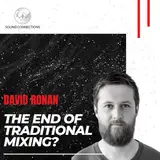
David Ronan, founder and CEO of RoEx, explains how AI mixing and mastering tools get a track to ninety percent so a human can finish the creative ten percent.

Erik Herrström of Studio Herrström explains why music tech brands look alike and how founders should test a brand before pitching it to investors.
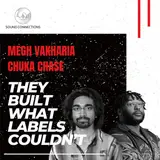
Megh Vakharia and Chuka Chase, co-founders of Symphony, explain how their artist marketing agency became a DIY tool for every creator.

Aurélien Hérault, Chief Innovation Officer at Deezer, explains why Deezer detects but won't recommend AI-generated tracks on its platform.
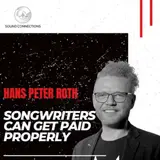
Hans Peter Roth, co-owner of Muserk, explains how the rights administrator recovers unclaimed publishing royalties and scaled to more than 20 million works.
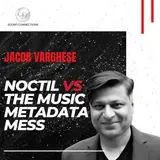
Noctil founder Jacob Varghese explains how machine learning matches royalty data and why black box money sits unpaid when rights ownership cannot be confirmed.
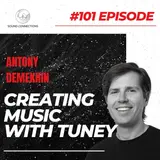
Antony Demekhin, CEO and co-founder of Tuney, explains why his ethical AI music tools skip scraped training data and aim to simulate real music production.
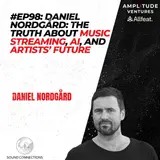
Daniel Nordgård, professor of music industry management, explains why he is optimistic about streaming, AI generated music and artist careers.

Thais Ruiz de Alda
Thais Ruiz de Alda of Digital Femmes explains why music metadata never captured gender, and how that gap skews streaming recommendations toward men.
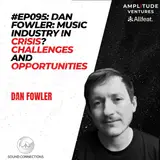
Dan Fowler explains why streaming growth masks a real plateau, why consolidation is squeezing music tech, and where opportunity still exists.
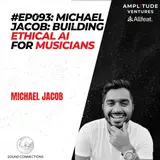
Michael Jacob, CEO of Lemonaide Music, explains how his AI beat-making tools pay artists under legal contracts and aim to protect musician income.
Jean Christophe Barat, founder of Allfeat, explains how blockchain-secured music metadata can fix unpaid royalties and open new web3 monetization for artists.
Pedro Sarmento, postdoctoral researcher at the Center for Digital Music, explains why AI threatens the music business more than human creativity itself.
Takayuki Suzuki of MusicTech Japan discusses Japan's CD dominance, fan club monetization, tiered storytelling, and what Western artists can learn.
Con Raso of Tuned Global and Andrew Batey, founder of Beatdapp, explain how machine learning catches music streaming fraud and why it pays real artists more.
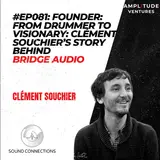
Clément Souchier, founder of Bridge Audio, discusses building a neutral platform for music assets and using AI to improve discovery.
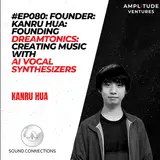
Kanru Hua, founder of Dreamtonics, talks about building AI vocal synthesizers as instruments and his path from hobbyist programmer to music tech founder.

Jenn Miller, CEO and co-founder of AudioSocket, explains music licensing for AI, protecting artists with opt-in terms, and industry collaboration.
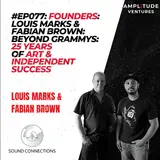
Louis Marks and Fabian Brown of Rope-A-Dope discuss 25 years of independent music, Grammy myths, and a people-first approach to sustaining a label.
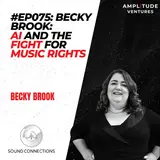
Becky Brook explains how AI is changing music licensing, from PRS and PPL collective licenses to generative model training and copyright.
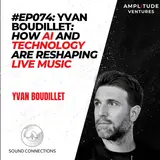
Yvan Boudillet, co-founder of Music Tech Europe, explains how AI can reshape live music, from stage design to fan data, and why venues are labs for experiences.

Dr. Tom Fritz of Jymmin explains how agency, cross-cultural music making, and human connection can keep live music relevant as AI grows.
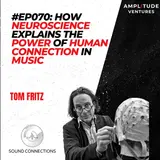
Neuroscientist Tom Fritz of the Max Planck Institute explains why the brain treats AI and human music alike, and why listeners still crave live performance.
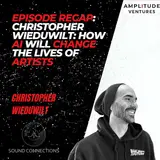
Christopher Wieduwilt, the AI Musicpreneur, explains how musicians can pair AI tools with storytelling and automate content creation to build an audience.
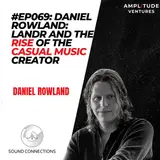
Daniel Rowland of LANDR explains how AI mastering grew into a full creator platform and why he thinks AI will assist producers instead of replacing them.
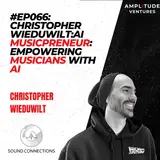
Christopher Wieduwilt, the AI Musicpreneur, explains how musicians can use AI tools to automate content, amplify storytelling, and build new revenue streams.

Rosanna Connolly, founder of Morena Coms, explains why a strong why and impactful storytelling are essential for artist branding and PR.
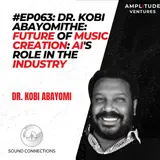
Dr. Kobi Abayomi explains how AI music models train on copyrighted songs, why attribution is solvable, and what that means for creator livelihoods.
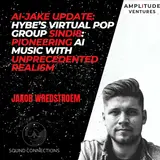
HYBE's SYNDI8 is a virtual girl group using Supertone voice cloning. The group blends electronic pop and R&B and expands into an animated universe.
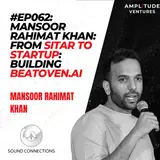
Mansoor Rahimat Khan, co-founder and CEO of Beatoven.ai, explains how the company trains generative music on licensed artist data.
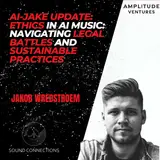
AI Jake covers RIAA lawsuits against Suno and Udio, plus ethical AI approaches from Beatoven.ai CEO Mansoor Rahimat Khan and Martin Clancy.
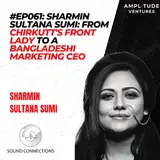
Sharmin Sultana Sumi, founder of Chirkutt and Salt Creatives and Events Limited, on original music, audience connection, and supporting art through business.
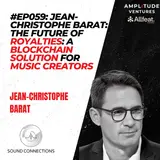
JC Barat, CEO and co-founder of Allfeat, explains how a music-specific layer-one blockchain provides traceability, NFT ownership, and fan community tools.
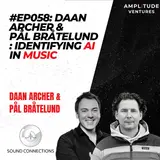
Daan Archer of Copyright Delta and Pål Bråtelund discuss why AI needs registered metadata and accountable infrastructure to pay music rights holders correctly.
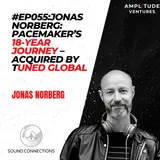
Jonas Norberg, Head of AI at Tuned Global, shares Pacemaker's 18-year journey from iPod hardware to Spotify integration, AI DJ, and an eventual acquisition.
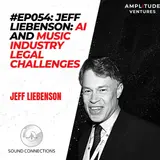
Entertainment lawyer Jeff Liebenson, President of the International Association of Entertainment Lawyers, discusses AI training, fair use and music licensing.
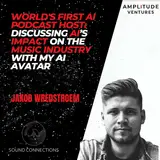
Host Jakob Wredstrøm and his AI avatar AI Jake discuss how AI is changing music jobs, the shift from skill to ideas, and the ethics of AI music.
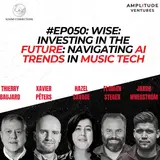
Xavier Péters, Thierry Baujard, Hazel Savage, and Florian Stadler discuss team, timing, and proprietary AI when deciding which music tech startups to back.
AI host AI Jake reports on Tencent Music's AI predictive model, subscription growth to 106.7 million paid users, and the legal risks of AI in music.
Jakob Wredstrøm tests an AI clone of himself as a podcast co-host on Sound Connections, exploring AI ethics and the future of music interviews.
Dr. Martin Clancy explains AI-OK, his certification for ethical generative AI music, and why regulation cannot keep pace with how fast AI moves.
WISE founder Philipp Grefer on bringing German and Chinese music scenes together since 2007, and this year's conference debate over AI-generated music.
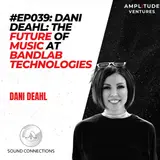
Dani Deahl, head of communications at BandLab, on the app's growth to 100 million users and why AI should support, rather than replace, human creators.
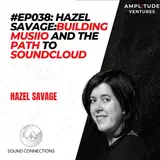
Hazel Savage, VP of Music Intelligence at SoundCloud and former Musiio CEO, explains how she built an AI music-tagging startup and sold it to SoundCloud.
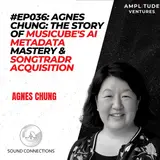
Agnes Chung, co-founder of Musicube, on building AI-driven music search in Hamburg and why the startup chose to be acquired by Songtradr.
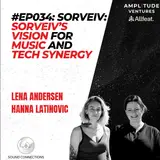
Hannah and Lena, co-owners of Sørveiv, explain how their Norwegian festival and conference connects artists, labels and music tech companies.
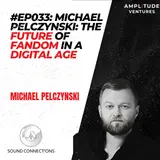
Michael Pelczynski of VoiceSwap, formerly of SoundCloud, explains the user-centric royalty model, the Lil Uzi Vert fan stat, and AI voice licensing.
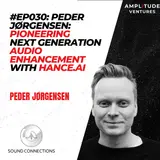
Peder Jørgensen, founder of Hance.ai and co-founder of Soundly, explains how machine learning for audio enables noise removal and live stem separation.
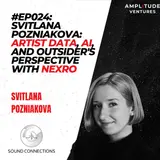
Svitlana Pozniakova, CEO of Nexro, explains how her royalty-exchange startup pivoted into an AI platform that predicts artist careers for labels.
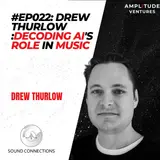
Drew Thurlow, a music industry consultant and former Pandora and Sony Masterworks executive, on how AI is reshaping session work, royalties and copyright law.
Ole Dreyer of Nordic Music NMS explains how publishing, sync licensing and collection societies work, and why AI companies need to pay for training music.
Einar Helde, co-founder of AIMS API, explains how his bootstrapped machine-learning search finds catalog tracks by feel for production music companies.
Christian Ringstad Schultz, co-founder and CEO of Masterchannel, on AI mastering software, aligning co-founders, and expanding a Norwegian startup globally.
Rasmus Rex of Roskilde University explains how pro-rata streaming royalties favor heavy listeners and why a user-centric model could cut fraud.
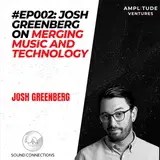
Josh Greenberg, founder of Green Mountain Lodge and former Red Bull and Spotify executive, traces how technology took over the music industry.
Questions these episodes answer
Why do artists need AI tools for career management?
JC says artists face endless tasks around releases and social media, and learning AI prompting is one more job. Orphiq aims to put AI in the background so artists stay creative without mastering technical prompting.
What kind of creator will succeed in the future?
JC says the successful creator is a storyteller, someone who makes people feel seen, heard, and understood. He says this has been true for the whole of human history.
Can smaller audiences be profitable for artists?
Yes, JC believes AI can make it much cheaper to monetize a smaller audience. He says the goal for most artists is to live off their music, and future tools can support that without needing superstardom.
How does Orphiq acquire customers?
Orphiq relies on product-led growth, being easy to find and use. JC says they use SEO and GEO and design the product to create network effects, with artists inviting their teams and vice versa.
What is Orphiq's business category?
JC positions Orphiq as artist management software, separate from distribution and labels. He wants it to be a productivity layer like Notion or Google Drive that follows artists between projects.
Why do most people quit learning an instrument like drums in the first year?
Rodrigues says drums are a beginner's market. Upbeat's own numbers show about 20 million active drummers and 10 million new ones starting every year, but 70 to 90 percent abandon the instrument within their first year, so Upbeat measures lifetime value across its whole app suite rather than any single tool's retention.
From: Rethinking Music Education Through AI and Personalized Learning
How is AI changing music education compared to free content on YouTube?
Rodrigues argues online education became content driven and free, like YouTube, which replaced a teacher's material but not a teacher's judgment. AI adds the missing layer, reading how a student feels and recommending the next exercise, the same things a good teacher does, so platforms that only supply content will have to add this layer or lose ground to new competitors.
From: Rethinking Music Education Through AI and Personalized Learning
Why did Upbeat Studio choose to focus on drums instead of piano or guitar?
Piano and guitar make up 70 to 80 percent of the music education market, so Rodrigues chose drums because the niche is comparatively underserved, at only 7 to 8 percent, with roughly 20 million active drummers and 10 million newcomers a year, giving Upbeat room to become a leading player in a smaller market.
From: Rethinking Music Education Through AI and Personalized Learning
Will AI replace human music teachers?
Rodrigues does not think teachers disappear. He expects big platforms to add an AI layer that reads a student's mood and recommends content, closing the gap with a real teacher, while some learners will keep choosing a human teacher they trust, especially one who actually plays the instrument, even as that becomes a more premium option.
From: Rethinking Music Education Through AI and Personalized Learning
What business model could instrument makers use as AI improves?
Rodrigues expects instrument manufacturers to sell hardware cheaply, for example a drum kit, and profit from a subscription that bundles guided lessons and feedback into the kit itself, similar to Nespresso or Peloton. He sees this as a stronger position than a general AI chatbot because the manufacturer already controls the instrument experience.
From: Rethinking Music Education Through AI and Personalized Learning
Why did Songstats stay bootstrapped instead of raising investment?
Oskar Eichler funded the company from the proceeds of an earlier exit and chose to stay independent. He says being bootstrapped and profitable means no investor tells the team what to do, which he calls a great position to be in.
How did Oskar Eichler get his start in music technology?
As a teenager he ran YouTube mixtape channels using licensed catalogs from electronic labels, grew one past a million subscribers, then sold it for just over 20,000 euros at 19 and moved into running a multi-channel network in Shanghai.
People
- JC Sanchez
- Raul Rodrigues
- Oskar Eichler
- Matt Urmy
- Casey Kolb
- Aidan Schechter
- Noam Levinberg
- Jan Willem
- Christian Ringstad Schultz
- Andrew Batey
- Morgan Hayduk
- Gigi Johnson
- Tom Höglund
- Alex Braga
- Niklas Brantberg
- Ben Mendoza
- Adam Fine
- Becky Brook
- Ryan Roxie
- David Ronan
- Erik Herrström
- Megh Vakharia
- Chuka Chase
- Aurélien Hérault
- Hans Peter Roth
- Jacob Varghese
- Antony Demekhin
- Daniel Nordgård
- Thais Ruiz de Alda
- Dan Fowler
- Michael Jacob
- Jean Christophe Barat
- Pedro Sarmento
- Takayuki Suzuki
- Con Raso
- Clément Souchier
- Kanru Hua
- Jenn Miller
- Louis Marks
- Fabian Brown
- Yvan Boudillet
- Dr. Tom Fritz
- Christopher Wieduwilt
- Daniel Rowland
- Rosanna Connolly
- Dr. Kobi Abayomi
- Mansoor Rahimat Khan
- Sharmin Sultana Sumi
- Daan Archer
- Pål Bråtelund
- Jonas Norberg
- Jeff Liebenson
- Martin Clancy
- Philipp Grefer
- Dani Deahl
- Hazel Savage
- Agnes Chung
- Michael Pelczynski
- Peder Jørgensen
- Svitlana Pozniakova
- Drew Thurlow
- Ole Dreyer
- Einar Helde
- Rasmus Rex
- Josh Greenberg