Guest
Jeff Liebenson
Jeff Liebenson is Entertainment Lawyer, as introduced on the show.
Episodes (1)
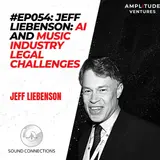
Entertainment lawyer Jeff Liebenson, President of the International Association of Entertainment Lawyers, discusses AI training, fair use and music licensing.
Questions these episodes answer
How could AI replace or help artists and songwriters?
Jeff Liebenson says AI generated music is already good enough for background uses, so many working artists fear being replaced. But AI can also act as a co-writer, generating first drafts and ideas that a human songwriter then accepts, rejects or builds on. He sees both a real threat and a major opportunity.
What should music rights holders do about AI training on copyrighted music?
Rights holders who want maximum payout can wait for favorable litigation rulings and then seek damages plus ongoing licenses. But Liebenson notes there is no guarantee of winning in court, and many parties prefer to negotiate voluntary deals to remove risk and secure a satisfactory result.
Why is the Andy Warhol ruling important for AI music cases?
The Supreme Court found Warhol's use was not fair use because it competed in the same market as the photographer's original. Liebenson says AI companies training on music and releasing AI tracks into the digital music market could dramatically affect that market, which weakens their fair use position.
Why is music licensing more complicated in the US than in Europe?
In the US, mechanical and performance rights are handled by separate societies, so digital music requires dual licensing. European mechanical and performance societies created joint ventures that issue one combined license, which Liebenson considers a saner approach for companies that need rights.