Topic
Music Licensing and Sync
Licensing music for film, TV, games, brands and creators, including production music and micro-licensing. 29 conversations with founders, investors and experts, newest first.
Episodes (29)
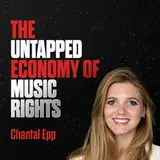
Chantal Epp, founder of ClicknClear, explains how her startup licenses music in bulk for cheerleading and sports events to unlock untapped revenue.
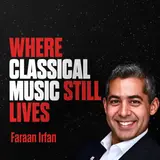
Faraan Irfan, founder and CEO of Saarey Music, explains how a 25-year exclusive license built a profitable streaming app for South Asian classical music.
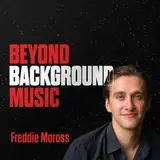
Freddie Moross, founder of Myndstream, explains how owning music assets powers functional soundtracks for spas, hotels and wellness spaces.
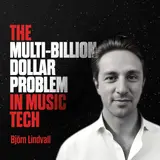
Björn Lindvall, CEO and co-founder of Music Infra, explains why outdated file formats and a disjointed supply chain leave rights holders underpaid.

Alan Wallis, CEO of Dynamite Songs, explains why he avoids catalogs under ten years old, how sync licensing drives value, and how cost of capital shapes deals.
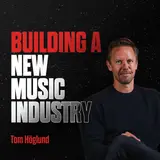
Tom Höglund of Epidemic Sound explains the model that pays musicians upfront and splits future revenue fifty-fifty after every collecting society refused.
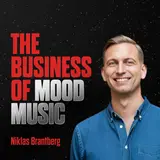
Niklas Brantberg, CEO of Overtone Studios at Epidemic Sound, explains how mood music built a real royalty model and where AI fits into composing it.
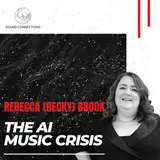
Becky Brook, a music and technology advisor, explains why Suno and Udio's talks with major labels and new AI copyright rulings make music licensing murkier.
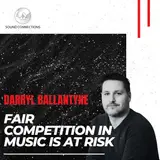
Darryl Ballantyne, founder and CEO of LyricFind, explains the antitrust suit against Musixmatch and why the exclusive Warner deal threatens artists.
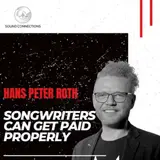
Hans Peter Roth, co-owner of Muserk, explains how the rights administrator recovers unclaimed publishing royalties and scaled to more than 20 million works.
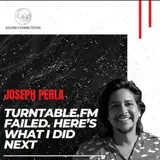
Joseph Perla, founder of Hangout.fm and creator of TurnTable.fm, explains why music licensing took four years to secure before launch.
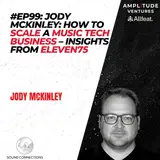
Jody McKinley, founder of Eleven75, explains how fractional specialists help early-stage music companies with revenue, product and licensing needs.
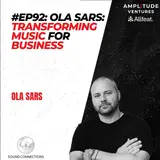
Ola Sars, founder of Soundtrack, explains why businesses pay fifty dollars for a music subscription and how the company started as a Spotify joint venture.
Clément Souchier, founder of Bridge Audio, discusses building a neutral platform for music assets and using AI to improve discovery.
Jenn Miller, CEO and co-founder of AudioSocket, explains music licensing for AI, protecting artists with opt-in terms, and industry collaboration.
Becky Brook explains how AI is changing music licensing, from PRS and PPL collective licenses to generative model training and copyright.

Dr. Tom Fritz of Jymmin explains how agency, cross-cultural music making, and human connection can keep live music relevant as AI grows.
Mansoor Rahimat Khan, co-founder and CEO of Beatoven.ai, explains how the company trains generative music on licensed artist data.
Jonas Norberg, Head of AI at Tuned Global, shares Pacemaker's 18-year journey from iPod hardware to Spotify integration, AI DJ, and an eventual acquisition.
Entertainment lawyer Jeff Liebenson, President of the International Association of Entertainment Lawyers, discusses AI training, fair use and music licensing.
Serona Elton of the Mechanical Licensing Collective explains why songwriters miss royalties, how the MLC works, and what to do to collect what you are owed.
TikTok's Michael Kümmerle and CTS Eventim COO Alexander Ruoff explain how their new ticketing partnership gives artists a direct sales channel in Germany.
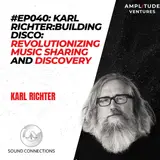
Karl Richter, founder of Disco, explains how a personal file-sharing fix became a music supervision platform, and why founder stress never fully goes away.
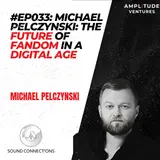
Michael Pelczynski of VoiceSwap, formerly of SoundCloud, explains the user-centric royalty model, the Lil Uzi Vert fan stat, and AI voice licensing.
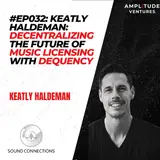
Keatly Haldeman, founder and CEO of Dequency, explains why online sync licensing is broken and how blockchain could fix music rights.
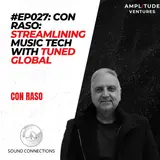
Con Raso, founder and CEO of Tuned Global, explains building a music licensing platform with 130 million tracks and expanding into Southeast Asia.
Ole Dreyer of Nordic Music NMS explains how publishing, sync licensing and collection societies work, and why AI companies need to pay for training music.
Einar Helde, co-founder of AIMS API, explains how his bootstrapped machine-learning search finds catalog tracks by feel for production music companies.
Vickie Nauman, founder of Cross Border Works, explains why streaming capped superfan spending and where Web3 can bring it back.
Questions these episodes answer
Why can't large sporting events license music song by song?
Epp says a single large cheerleading competition can use around 8,000 songs in one weekend, which makes clearing each track individually completely unworkable. That volume is exactly why ClicknClear built a blanket, low-fee licensing system instead of relying on traditional one-off sync deals.
From: Building the Infrastructure for Scalable Music Licensing
How does ClicknClear license music for video-on-demand content?
Epp says ClicknClear can grant blanket licenses directly for video-on-demand platforms where it already holds the necessary rights, and works with additional rights holders on a project basis when it needs broader coverage, alongside automated technology that mutes any track that has not been cleared.
From: Building the Infrastructure for Scalable Music Licensing
How big is the untapped micro-licensing market in music?
Epp estimates the global micro-licensing market at around 14 billion dollars a year in revenue the music industry is not currently collecting, spread across areas like sport and video-on-demand content that use music constantly but rarely pay for it properly.
From: Building the Infrastructure for Scalable Music Licensing
How did Chantal Epp raise money as a sole founder?
Epp says her very first investor believed in the company enough that he effectively worked for her full time without taking a salary, in the company's early years, well before ClicknClear could otherwise have afforded that kind of commitment from a team member.
From: Building the Infrastructure for Scalable Music Licensing
How did Chantal Epp come up with the idea for ClicknClear?
Epp was a competitive cheerleader and coach when her sport's own federation announced that commercial songs used in routines would now need to be licensed. Already familiar with music licensing and connected to people inside the federation, she saw an opportunity to build the compliance system herself.
From: Building the Infrastructure for Scalable Music Licensing
Why do young people pay for South Asian classical music on Saarey?
Irfan says the surprise was that 53% of Saarey's users are 18 to 35, showing the barrier was never that classical music suited older listeners, it was access. Once young South Asians could reach recordings of their own heritage, they started listening close to two hours a day and paying well above regional streaming prices.
How does Saarey Music's licensing model differ from a normal streaming service?
Instead of paying rights holders a share of streaming revenue like Spotify does, Saarey pays a fixed annual licensing fee and adds services such as recording, mixing, mastering and artwork on top. Irfan says this keeps Saarey's margins near 97% while giving artists help they could not otherwise access.
Why does Saarey Music hold a 25-year exclusive license instead of a normal distribution deal?
Saarey holds a 25-year exclusive license on about 90% of Pakistani classical music, giving it a catalog no rival streaming app can replicate. Irfan says the deal works because Saarey adds real value in return, handling recording, mastering and publishing that artists otherwise have no way to do themselves.
How did Saarey Music raise money for a niche streaming platform?
Irfan says Saarey relied mostly on direct outreach rather than warm introductions: 80 to 85% of its funding came from cold contact, and about half came from investors who had followed the company's monthly progress updates for a year or more before deciding to invest.
Why does Myndstream own its music instead of licensing from other rights holders?
Moross says Myndstream's whole model depends on owning its music catalog rather than licensing tracks from others. Owning the assets shapes how the company can price its software affordably and gives it a lean cost structure it could not run if it had to clear commercial licenses for every track it plays.
What problem did Myndstream find in spas before it built anything?
Spas were often still running CD players bought fifteen years earlier, or staff used free Spotify or YouTube accounts that let an ad interrupt a paid treatment. Moross says that guest experience, being advertised to in the middle of a massage, is what convinced him music needed a dedicated commercial solution.
How does Myndstream make the same brand sound different across hotel locations?
Myndstream treats the soundtrack as part of a hotel's brand rather than generic background music, so a chain can make one property sound geographically and culturally different from another while staying commercially licensed and on-brand. Moross says this branding layer also opens paid pre and post-treatment rituals as an upsell.
People
- Chantal Epp
- Faraan Irfan
- Freddie Moross
- Björn Lindvall
- Alan Wallis
- Tom Höglund
- Niklas Brantberg
- Becky Brook
- Darryl Ballantyne
- Hans Peter Roth
- Joseph Perla
- Jody McKinley
- Ola Sars
- Clément Souchier
- Jenn Miller
- Dr. Tom Fritz
- Mansoor Rahimat Khan
- Jonas Norberg
- Jeff Liebenson
- Serona Elton
- Karl Richter
- Michael Pelczynski
- Keatly Haldeman
- Con Raso
- Ole Dreyer
- Einar Helde
- Vickie Nauman