Guest
Becky Brook
Becky Brook is Music and Technology Advisor, as introduced on the show.
Episodes (2)
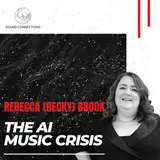
Becky Brook, a music and technology advisor, explains why Suno and Udio's talks with major labels and new AI copyright rulings make music licensing murkier.
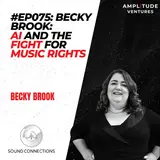
Becky Brook explains how AI is changing music licensing, from PRS and PPL collective licenses to generative model training and copyright.
Questions these episodes answer
Why are Suno and Udio talking to major labels about licensing while still being sued by them?
Becky Brook says once large language model companies like Suno and Udio want to discuss licensing, major labels have to engage, both because it makes commercial sense and because refusing to negotiate while suing them for lacking a license would undermine the labels' own legal position in court.
Does licensing music upfront actually get an AI company a better deal?
Brook says history does not reward companies for licensing first. Services like YouTube and Musical.ly, now TikTok, scaled for years unlicensed under old internet protections, and the precedent suggests fighting a lawsuit out in court can produce a better deal than paying for a license upfront, which frustrates startups that tried to do things properly.
How has copyright politics in the US changed around AI, according to Becky Brook?
Brook says copyright used to be a largely bipartisan issue across the US, UK and Europe, but recent moves in the US, including the sacking of copyright office officials, suggest some people in power are no longer supportive of copyright protections, making the legal outcome of AI training lawsuits harder to predict.
What do the Anthropic and Meta AI copyright rulings mean for the music industry?
In one lawsuit a judge ruled Anthropic's training was a fair, transformative use, while in a separate case Meta won for different reasons even as the judge said the use was not transformative. Brook says these mixed, contradictory rulings show the law is getting murkier rather than clearer, and real clarity for music is probably two to three years away.
How do I license music for a new streaming service?
Start by identifying the launch country and how the service works. A single-country radio-like service can use PRS and PPL collective licenses in the UK, while multi-territory interactive services need direct deals and can take years.
How much does licensing music cost a startup?
UK collective licenses for a radio-like service start at a few hundred pounds per year and carry a combined royalty rate around 40 percent. Direct multi-territory licensing can require advances in the tens of millions of dollars.
Do relationships get better music licensing deals?
Relationships do not produce dramatically lower royalty rates or advances because major labels avoid setting precedents that differ from Apple, Amazon, and Spotify. They help you get faster responses and better strategic advice.
Should rightsholders license their catalogs for AI training now?
Becky advises against licensing catalogs for AI training while machine generated outputs lack copyright, because labels would lose control and monetization, and the catalog is the industry's main power.
Will listeners accept AI-generated music?
Becky believes many consumers, especially younger listeners, will not care whether music has a human artist behind it. Functional and production music already succeed without a visible artist identity, so generated music could compete.