Guest
Noam Levinberg
Noam Levinberg is Founder at Safari Audio, as introduced on the show.
Episodes (1)
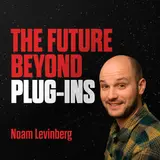
Noam Levinberg, founder of Safari Audio, on why AI-built plugins and prompt-based music tools may make DAWs and plugin companies obsolete.
Questions these episodes answer
Why does Noam Levinberg think plugin companies will not survive?
Levinberg argues plugins depend on DAWs, and he does not think DAWs have a future. He points to millions of people now making music through AI prompts on tools like Suno and Moises, and doubts they will ever move to installing Logic and downloading dozens of separate plugins the way producers do today.
How did Noam Levinberg grow Safari Audio without raising funding?
Levinberg bootstrapped Safari Audio for three years with no outside investment, starting it after leaving his job as head of audio at Artlist, first as a personal project before it grew into a company. The company has grown to a team of nine and built a loyal user base by releasing small, playful, single-purpose plugins on a monthly schedule instead of one large product.
Does a great product or great marketing matter more for a plugin company?
Levinberg says the product matters more in the audio software niche, because engineers actively search out good tools even without marketing, citing Valhalla as an example. But a strong distribution system cannot rescue a plugin that does not sound good, so quality has to come first.
How is AI already changing how plugin companies are built?
Levinberg says AI tools now handle work that used to take specialist skills, such as rendering 3D knob designs that once took hours in Blender. He has also seen a producer build five plugins that sounded good with an AI coding tool and no hand-written code, which he takes as a sign the technical barrier to building plugins is disappearing.
Is it still worth starting a plugin company today?
Levinberg says no, from a pure business standpoint, because he sees far better opportunities elsewhere right now. He keeps building Safari Audio anyway because he enjoys the process, and argues that enjoying the work is what makes a venture worth pursuing even when the odds are not great.