Topic
Fans and Superfans
Fan communities, superfans, direct-to-fan platforms and how artists earn from their most engaged listeners. 39 conversations with founders, investors and experts, newest first.
Episodes (39)
JC Sanchez, founder of Orphiq, explains how AI can help independent artists manage careers and monetize smaller audiences.
Tommy Stalknecht, founder and CEO of Single Music, discusses Shopify chart reporting, digital content, and fan communities for first-party data.

Jacquelle Amankonah Horton, founder of Fave, explains what superfans want beyond merch and why fan-to-fan commerce is the real fandom market.
Thierry Ascarez, Chief Business Officer at Winamp, explains why streaming rarely pays independent artists and how Winamp for Creators fills the gap.
John Lister, Head of Community at Rap Fame, explains why the app's mostly-artist audience rates, mentors and pays to promote each other's music.
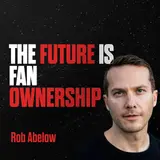
Rob Abelow of OpenStage explains why artists should super-serve their closest fans first, since that visible fandom pulls in everyone else.
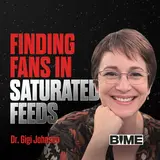
Gigi Johnson of Rethink Next explains how algorithms, AI overviews and glut are reshaping music discovery, and how artists can build direct fan relationships.
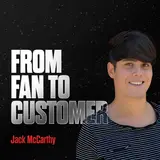
Jack McCarthy, co-founder of Indiepreneur, explains how artists with a fan base leave e-commerce revenue on the table and how Indie X helps them capture it.
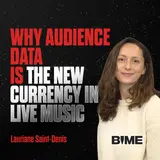
Lauriane Saint-Denis of Music Tech Hub explains why festivals struggle to use audience data and how smaller festivals can start building their own.

Armada CEO Seamus Menihane, who turned a screen-printing hustle into a 170-person merch company, explains how tour and e-commerce merch deals actually work.
Vishal Ramakrishnan of Round explains why music marketing shifted from celebrities to micro-creators and how the company grew without raising capital.

Jenna LoMonaco, head of US marketing at ONErpm, explains how she turns a viral moment into a lasting artist career and why consistent branding builds fans.
Mag Rodriguez, founder and CEO of EVEN, explains how the platform lets artists sell music directly to fans before release, using pay-what-you-want pricing.
Jennifer Sullivan, CMO of KiTbetter, explains how the KIT album turns K-pop's physical-digital format into fan ownership and real artist revenue.
Ex-TikTok SoundOn lead Rachel Young explains why views and brand deals are not where artists' money comes from, and how TikTok Shop and going live help.
Sleeve founder Anna Lidell explains why streaming pays artists too little and how a small paying fanbase can earn a musician more than thousands of streams.
Audiomack's Gineyda Cornelio, Director of Marketing and Latin Strategy, on Latin music's 19% listener growth, curator discovery, and independent artists' rise.
Daniel Nordgård, professor of music industry management, explains why he is optimistic about streaming, AI generated music and artist careers.
Takayuki Suzuki of MusicTech Japan discusses Japan's CD dominance, fan club monetization, tiered storytelling, and what Western artists can learn.
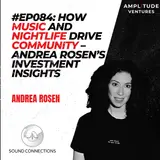
Andrea Rosen of Best Nights VC explains why music is a catalyst for nightlife, why music tech is broken, and what founders must fix to attract investors.
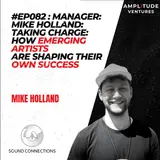
Mike Holland, manager of Logic, explains why emerging artists should act as their own CEOs and use democratized tools while keeping their art intact.
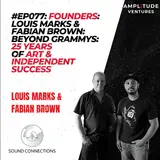
Louis Marks and Fabian Brown of Rope-A-Dope discuss 25 years of independent music, Grammy myths, and a people-first approach to sustaining a label.
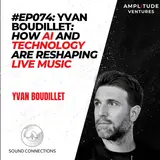
Yvan Boudillet, co-founder of Music Tech Europe, explains how AI can reshape live music, from stage design to fan data, and why venues are labs for experiences.
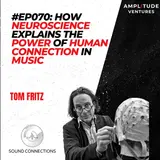
Neuroscientist Tom Fritz of the Max Planck Institute explains why the brain treats AI and human music alike, and why listeners still crave live performance.
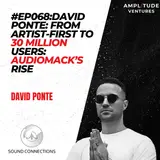
David Ponte, co-founder and CMO of Audiomack, on building an artist-first platform with 33 and a half million users through discovery and direct fan tools.
 3 min
3 minAI Jake reports that Ariana Grande is joining HYBE's superfan platform Weverse, expanding global fan engagement with 10 million monthly users and 15 languages.
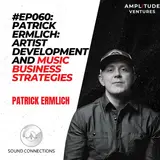
Patrick Ermlich, artist guide, explains why artists need business skills, first principles, and the right team to build sustainable music careers.

JC Barat, CEO and co-founder of Allfeat, explains how a music-specific layer-one blockchain provides traceability, NFT ownership, and fan community tools.
Josh Greenberg of Green Mountain Lodge explains how superfans are defined by engagement and how artists can build recurring revenue with productized offers.
Vickie Nauman of Cross Border Works explains industry market fit, why music tech startups fail, and how founders can de-risk music for investors.
Xavier Péters, Thierry Baujard, Hazel Savage, and Florian Stadler discuss team, timing, and proprietary AI when deciding which music tech startups to back.

Martin Berg, CEO of DX, explains his super ticket concept, why NFT scalping fixes are overhyped, and how fan data could reward an artist's true fans.
TikTok's Michael Kümmerle and CTS Eventim COO Alexander Ruoff explain how their new ticketing partnership gives artists a direct sales channel in Germany.
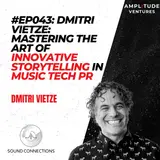
Dmitri Vietze, founder of Rock Paper Scissors and the Music Tectonics Conference, explains why music tech startups struggle to attract investors.

Sania Haq, founder of Brighter Stereotypes, explains why South Asian artists remain underrepresented despite a growing global audience.
AI Jake reports on JKBX, a music investment platform backed by Spotify and Red Light Management that lets investors buy song royalties.
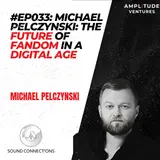
Michael Pelczynski of VoiceSwap, formerly of SoundCloud, explains the user-centric royalty model, the Lil Uzi Vert fan stat, and AI voice licensing.
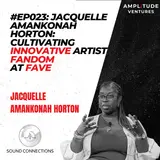
Jacquelle Horton, founder of Fave, explains how the platform verifies superfan activity and gives artist teams data on their most engaged fans.
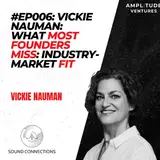
Vickie Nauman, founder of Cross Border Works, explains why streaming capped superfan spending and where Web3 can bring it back.
Questions these episodes answer
Why do artists need AI tools for career management?
JC says artists face endless tasks around releases and social media, and learning AI prompting is one more job. Orphiq aims to put AI in the background so artists stay creative without mastering technical prompting.
What kind of creator will succeed in the future?
JC says the successful creator is a storyteller, someone who makes people feel seen, heard, and understood. He says this has been true for the whole of human history.
Can smaller audiences be profitable for artists?
Yes, JC believes AI can make it much cheaper to monetize a smaller audience. He says the goal for most artists is to live off their music, and future tools can support that without needing superstardom.
How does Orphiq acquire customers?
Orphiq relies on product-led growth, being easy to find and use. JC says they use SEO and GEO and design the product to create network effects, with artists inviting their teams and vice versa.
What is Orphiq's business category?
JC positions Orphiq as artist management software, separate from distribution and labels. He wants it to be a productivity layer like Notion or Google Drive that follows artists between projects.
Why do artists need Shopify chart reporting?
Single Music reports digital and physical sales from artist storefronts to chart partners like Luminate and Billboard. Without this, millions of units would not count toward the charts, which teams use for budgets and tour slots; the same sales data helps people value catalogs.
From: Building the Infrastructure Behind Modern Artist Commerce
How did Single Music start?
Tommy Stalknecht worked at a digital agency overseeing roughly 500 artist websites. He heard SoundScan reporting struggles after moving stores to Shopify, created a splash page, and received inbound interest from major labels. He launched Single with co-founder Taylor O'Connor in January 2018.
From: Building the Infrastructure Behind Modern Artist Commerce
What is the superfan economy really?
Stalknecht says the superfan label is just the music business applying the 80/20 rule, where 20 percent of fans drive 80 percent of revenue. He warns against treating fans only as wallets because many cannot afford expensive items but are still valuable.
From: Building the Infrastructure Behind Modern Artist Commerce
How can artists collect first-party data?
Artists should drive fans from social platforms like Instagram to owned storefronts, where they can require an email address before streaming content. Single embeds communities and content in Shopify so teams can see where fans live and make better touring decisions.
From: Building the Infrastructure Behind Modern Artist Commerce
What do superfans actually want to spend money on beyond official merchandise?
Horton says demand isn't the problem, fans already have disposable income for fandom but too few things worth buying. Official merchandise works as a keepsake, but day to day fans wear subtle items built from community inside jokes: a bag carrying a phrase only fans recognize, hand fans for a hot venue queue, or a resold Letterman jacket.
How does Fave help artist teams work with fan creators?
Fave gives artist teams a way to spot the fans already driving activity in their community, then clear their ideas and IP questions so those fans can create and sell without guessing whether it is allowed. Horton says many fans hold back ideas out of fear it might not be permitted, so removing that uncertainty turns a fan's side project into something the artist team can support.
Why do fans hold back on turning their ideas into products or events?
Fans often do not know whether an idea uses the artist's IP in a way that is allowed, so many sit in doubt about whether it is a gray area or forbidden outright. Rather than risk it, they hold back, which means the artist loses the extended engagement that idea could have created and the fan misses out on what could have become a real business.
People
- JC Sanchez
- Tommy Stalknecht
- Jacquelle Amankonah Horton
- Thierry Ascarez
- John Lister
- Rob Abelow
- Gigi Johnson
- Jack McCarthy
- Lauriane Saint-Denis
- Seamus Menihane
- Jenna LoMonaco
- Mag Rodriguez
- Jennifer Sullivan
- Rachel Young
- Anna Lidell
- Gineyda Cornelio
- Daniel Nordgård
- Takayuki Suzuki
- Andrea Rosen
- Mike Holland
- Louis Marks
- Fabian Brown
- Yvan Boudillet
- Dr. Tom Fritz
- David Ponte
- Patrick Ermlich
- Jean Christophe Barat
- Josh Greenberg
- Vickie Nauman
- Martin Berg
- Dmitri Vietze
- Sania Haq
- Michael Pelczynski