Guest
Rob Abelow
Rob Abelow is Product lead at OpenStage, as introduced on the show.
Episodes (1)
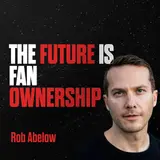
Rob Abelow of OpenStage explains why artists should super-serve their closest fans first, since that visible fandom pulls in everyone else.
Questions these episodes answer
Why should artists focus on their superfans instead of chasing the algorithm?
Abelow argues that artists should stop chasing reach from the top down and instead super-serve their closest fans first, since a visibly thriving fan world is what pulls in new fans. He calls this an inside-out model rather than a funnel, because loyal fans create a flywheel that keeps generating fresh attention.
How did Radiohead grow its known fan base so quickly?
For their first tour dates in nine years, Radiohead required fans to register through OpenStage, which validated each person as real. That single campaign tripled the band's known fan base within one or two days, turning a decades-old act into a band with a much larger, verified contact list.
Why is bot detection important for artist fan platforms?
As artists offer more exclusive access and early ticket opportunities, bots try to grab that access to resell it, so platforms have to confirm a real identity before counting someone as a fan. Abelow says this problem keeps growing and requires constant work like two-factor checks and anti-scripting tools.
How does Western fan culture differ from K-pop fandom?
Abelow says K-pop fans are comfortable with open gamification, competing publicly to help an artist win. Western fans, especially in indie and alternative music, resist feeling gamed or told what to do, but they still want to be recognized and rewarded for years of loyalty rather than treated the same as anyone else.