Topic
Artist Marketing and Growth
How artists and their teams build audiences, market releases and develop careers. 32 conversations with founders, investors and experts, newest first.
Episodes (32)
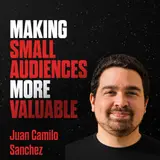
JC Sanchez, founder of Orphiq, explains how AI can help independent artists manage careers and monetize smaller audiences.
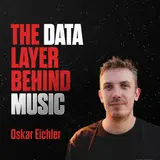
Songstats founder Oskar Eichler explains how his bootstrapped analytics platform tracks artist data and why AI is turning music into advertising for artists.
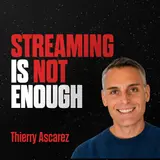
Thierry Ascarez, Chief Business Officer at Winamp, explains why streaming rarely pays independent artists and how Winamp for Creators fills the gap.
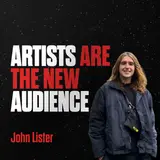
John Lister, Head of Community at Rap Fame, explains why the app's mostly-artist audience rates, mentors and pays to promote each other's music.
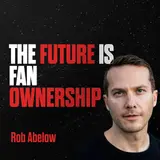
Rob Abelow of OpenStage explains why artists should super-serve their closest fans first, since that visible fandom pulls in everyone else.

Jesse Flores of Intercept Music explains how independent artists should pick a distributor, budget for ads and keep ownership of their masters.
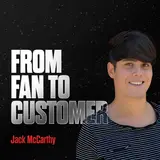
Jack McCarthy, co-founder of Indiepreneur, explains how artists with a fan base leave e-commerce revenue on the table and how Indie X helps them capture it.
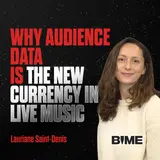
Lauriane Saint-Denis of Music Tech Hub explains why festivals struggle to use audience data and how smaller festivals can start building their own.
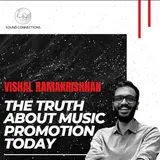
Vishal Ramakrishnan of Round explains why music marketing shifted from celebrities to micro-creators and how the company grew without raising capital.
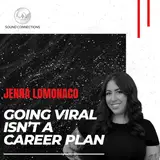
Jenna LoMonaco, head of US marketing at ONErpm, explains how she turns a viral moment into a lasting artist career and why consistent branding builds fans.
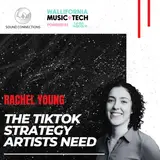
Ex-TikTok SoundOn lead Rachel Young explains why views and brand deals are not where artists' money comes from, and how TikTok Shop and going live help.
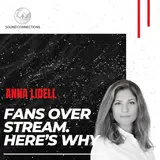
Sleeve founder Anna Lidell explains why streaming pays artists too little and how a small paying fanbase can earn a musician more than thousands of streams.
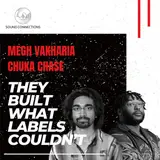
Megh Vakharia and Chuka Chase, co-founders of Symphony, explain how their artist marketing agency became a DIY tool for every creator.
Ryan Schmidt of Foundation explains why artists need business knowledge alongside talent, and how two-to-five-minute lessons help close that gap.
Clémentin Diard, founder of Control Reach, explains why raising money for a music marketing startup is so slow and why the company moved fully to B2B clients.
Britt Randma of Main Character Agency explains the real financial cost of exporting music from Estonia, from US touring visas to alternative fan monetization.
Daniel Nordgård, professor of music industry management, explains why he is optimistic about streaming, AI generated music and artist careers.
Christine Osazuwa, founder of Measure of Music, explains why the music industry lacks a career meritocracy and how investing in talent could fix it.
 1 h 8 min
John Samuel Gerhart and Chris Santillo share how they went from LA's grind to signing with Simon Cowell and founding the artist-centric label Lightworks.
Mike Holland, manager of Logic, explains why emerging artists should act as their own CEOs and use democratized tools while keeping their art intact.
Louis Marks and Fabian Brown of Rope-A-Dope discuss 25 years of independent music, Grammy myths, and a people-first approach to sustaining a label.
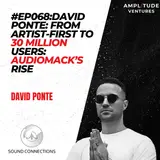
David Ponte, co-founder and CMO of Audiomack, on building an artist-first platform with 33 and a half million users through discovery and direct fan tools.
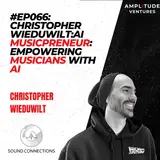
Christopher Wieduwilt, the AI Musicpreneur, explains how musicians can use AI tools to automate content, amplify storytelling, and build new revenue streams.
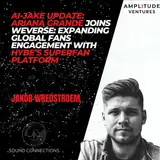 3 min
3 minAI Jake reports that Ariana Grande is joining HYBE's superfan platform Weverse, expanding global fan engagement with 10 million monthly users and 15 languages.
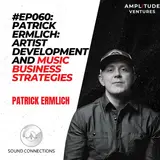
Patrick Ermlich, artist guide, explains why artists need business skills, first principles, and the right team to build sustainable music careers.
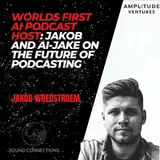
Jakob Wredstrøm tests an AI clone of himself as a podcast co-host on Sound Connections, exploring AI ethics and the future of music interviews.
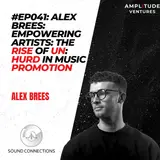
Alex Brees, founder and CEO of un:hurd, explains how the platform brings major-label marketing tools to independent artists at an affordable price.
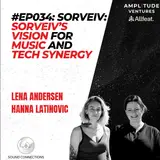
Hannah and Lena, co-owners of Sørveiv, explain how their Norwegian festival and conference connects artists, labels and music tech companies.
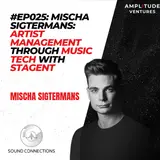
Mischa Sigtermans, founder of Stagent, explains how the booking platform got built, funded and merged with a longstanding rival.
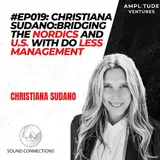
Christiana Sudano, founder of Do Less Management, explains how she connects Nordic artists to LA and Nashville and why managers now handle artist development.
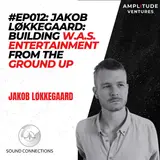
Jakob Løkkegaard, co-founder of W.A.S. Entertainment, explains how the artist management firm survived years of unpaid founders before selling a Sony stake.
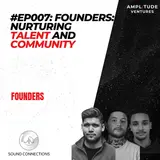
Capella Entertainment co-founders Jonah Bjerga and Moi Sultan explain the three mantras and ownership model that built a fast-growing team without big salaries.
Questions these episodes answer
Why do artists need AI tools for career management?
JC says artists face endless tasks around releases and social media, and learning AI prompting is one more job. Orphiq aims to put AI in the background so artists stay creative without mastering technical prompting.
What kind of creator will succeed in the future?
JC says the successful creator is a storyteller, someone who makes people feel seen, heard, and understood. He says this has been true for the whole of human history.
Can smaller audiences be profitable for artists?
Yes, JC believes AI can make it much cheaper to monetize a smaller audience. He says the goal for most artists is to live off their music, and future tools can support that without needing superstardom.
How does Orphiq acquire customers?
Orphiq relies on product-led growth, being easy to find and use. JC says they use SEO and GEO and design the product to create network effects, with artists inviting their teams and vice versa.
What is Orphiq's business category?
JC positions Orphiq as artist management software, separate from distribution and labels. He wants it to be a productivity layer like Notion or Google Drive that follows artists between projects.
Why did Songstats stay bootstrapped instead of raising investment?
Oskar Eichler funded the company from the proceeds of an earlier exit and chose to stay independent. He says being bootstrapped and profitable means no investor tells the team what to do, which he calls a great position to be in.
How did Oskar Eichler get his start in music technology?
As a teenager he ran YouTube mixtape channels using licensed catalogs from electronic labels, grew one past a million subscribers, then sold it for just over 20,000 euros at 19 and moved into running a multi-channel network in Shanghai.
How did Songstats relaunch itself after two slow years?
After spending two years with only about 100 users, a major label launched a slick but technically weak artist app. Seeing that push, the team rebuilt with a new name, dark mode and better UI within four months, right as COVID began.
How is Songstats using AI to reach artists now?
Songstats launched an MCP server so AI assistants such as ChatGPT, Claude or Gemini can pull an artist's data directly and answer questions like how a new release compares to earlier ones, without opening the app or dashboard.
Why does Songstats also sell to enterprises instead of only artists?
Enterprise deals with booking agencies, distributors, management firms and labels take longer to close but are more predictable and worth more per contract than selling to artists one at a time, so Songstats built an API and data-deal business alongside its consumer app.
Why doesn't music streaming pay most independent artists a living income?
Ascarez says streaming works well for promotion and distribution but only about 0.5 percent of artists, meaning the biggest acts, actually make a living from it. That gap is why Winamp built a separate platform to help independent artists collect revenue beyond streaming.
What services does Winamp for Creators offer independent artists?
Winamp for Creators works like an ERP for music professionals, aggregating distribution, royalty and publishing collection, YouTube Content ID revenue, music licensing through Jamendo, fan shops and collectibles, plus a website builder and advertising tools, all built from scratch over about three and a half years.
People
- JC Sanchez
- Oskar Eichler
- Thierry Ascarez
- John Lister
- Rob Abelow
- Jesse Flores
- Jack McCarthy
- Lauriane Saint-Denis
- Jenna LoMonaco
- Rachel Young
- Anna Lidell
- Megh Vakharia
- Chuka Chase
- Ryan Schmidt
- Clémentin Diard
- Britt Randma
- Daniel Nordgård
- Christine Osazuwa
- John Samuel Gerhart
- Chris Santillo
- Mike Holland
- Louis Marks
- Fabian Brown
- David Ponte
- Christopher Wieduwilt
- Patrick Ermlich
- Alex Brees
- Mischa Sigtermans
- Christiana Sudano
- Jakob Løkkegaard
- Jonah Bjerga
- Moi Sultan