Topic
Music Metadata and Data
Metadata standards, music data, analytics and the infrastructure that keeps credits and payments accurate. 20 conversations with founders, investors and experts, newest first.
Episodes (20)
Songstats founder Oskar Eichler explains how his bootstrapped analytics platform tracks artist data and why AI is turning music into advertising for artists.
Niclas Molinder, founder of Session, explains why missing metadata costs music creators royalties and why capturing it should become mandatory.
Rob Abelow of OpenStage explains why artists should super-serve their closest fans first, since that visible fandom pulls in everyone else.
Björn Lindvall, CEO and co-founder of Music Infra, explains why outdated file formats and a disjointed supply chain leave rights holders underpaid.
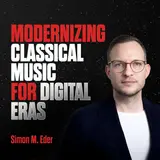
Simon M. Eder, co-founder of Primephonic, explains how solving classical music's metadata problem led Apple to acquire his startup as Apple Music Classical.
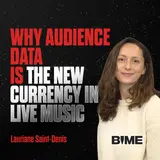
Lauriane Saint-Denis of Music Tech Hub explains why festivals struggle to use audience data and how smaller festivals can start building their own.
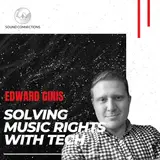
Edward Ginis, co-founder of OpenPlay, explains how the platform frees music companies from distributors that trap catalog data and slow commercial deals.
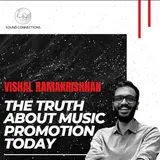
Vishal Ramakrishnan of Round explains why music marketing shifted from celebrities to micro-creators and how the company grew without raising capital.
Tom Allen, CTO of Downtown Music Group and founder of Curve, explains how he bootstrapped royalty accounting software all the way to acquisition.
Hans Peter Roth, co-owner of Muserk, explains how the rights administrator recovers unclaimed publishing royalties and scaled to more than 20 million works.
Noctil founder Jacob Varghese explains how machine learning matches royalty data and why black box money sits unpaid when rights ownership cannot be confirmed.
Thais Ruiz de Alda
Thais Ruiz de Alda of Digital Femmes explains why music metadata never captured gender, and how that gap skews streaming recommendations toward men.
Christine Osazuwa, founder of Measure of Music, explains why the music industry lacks a career meritocracy and how investing in talent could fix it.
Jean Christophe Barat, founder of Allfeat, explains how blockchain-secured music metadata can fix unpaid royalties and open new web3 monetization for artists.
Maciej Dulski, co-founder of MusicTech Lab, explains why boring B2B fixes for metadata and licensing beat flashy consumer apps in music tech.
Daan Archer of Copyright Delta and Pål Bråtelund discuss why AI needs registered metadata and accountable infrastructure to pay music rights holders correctly.
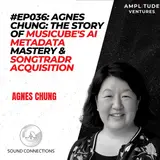
Agnes Chung, co-founder of Musicube, on building AI-driven music search in Hamburg and why the startup chose to be acquired by Songtradr.
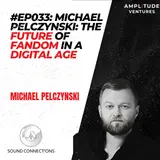
Michael Pelczynski of VoiceSwap, formerly of SoundCloud, explains the user-centric royalty model, the Lil Uzi Vert fan stat, and AI voice licensing.
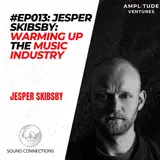
Jesper Skibsby, founder and CEO of WARM, explains how a Polish radio royalty gap led him to build global radio monitoring for independent artists and labels.
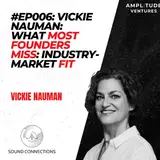
Vickie Nauman, founder of Cross Border Works, explains why streaming capped superfan spending and where Web3 can bring it back.
Questions these episodes answer
Why did Songstats stay bootstrapped instead of raising investment?
Oskar Eichler funded the company from the proceeds of an earlier exit and chose to stay independent. He says being bootstrapped and profitable means no investor tells the team what to do, which he calls a great position to be in.
How did Oskar Eichler get his start in music technology?
As a teenager he ran YouTube mixtape channels using licensed catalogs from electronic labels, grew one past a million subscribers, then sold it for just over 20,000 euros at 19 and moved into running a multi-channel network in Shanghai.
How did Songstats relaunch itself after two slow years?
After spending two years with only about 100 users, a major label launched a slick but technically weak artist app. Seeing that push, the team rebuilt with a new name, dark mode and better UI within four months, right as COVID began.
How is Songstats using AI to reach artists now?
Songstats launched an MCP server so AI assistants such as ChatGPT, Claude or Gemini can pull an artist's data directly and answer questions like how a new release compares to earlier ones, without opening the app or dashboard.
Why does Songstats also sell to enterprises instead of only artists?
Enterprise deals with booking agencies, distributors, management firms and labels take longer to close but are more predictable and worth more per contract than selling to artists one at a time, so Songstats built an API and data-deal business alongside its consumer app.
Why do creators lose royalties even when their music gets used?
Molinder says every royalty problem he investigated traced back to the same cause: the people who actually created a song were never identified. Once physical formats with printed credits disappeared, nobody recorded who contributed what during the session, so labels, publishers and collecting societies have no way to reconstruct it later, and the money sits unclaimed.
Why did Session decide to be free to use?
Molinder credits his investors Max Martin and Björn Ulvaeus with insisting the entry tier stay free, since a barrier to entry would stop two creators in the same room from collaborating on capturing their credits. Session runs as a freemium product, with paid storage the only tier that costs money.
Why did Session get acquired by Salt instead of staying independent?
Molinder says a small Stockholm startup with a limited budget could not compete with bigger local tech companies for developers, so Session leaned on a London tech partner for years before the two sides concluded that folding Session into that partner, now called Salt, made more sense than staying separate, with Molinder and Ulvaeus moving across too.
Why does Niclas Molinder want metadata capture to be mandatory?
Molinder argues that asking nicely and offering a free tool has not worked, so the industry should require metadata capture the same way it already requires an ISRC code before a recording can be released. He argues a mandatory step is needed because creators cannot otherwise be made to do it.
What are the two separate rights inside a single song?
Molinder explains a song is legally two things: the musical work, owned by the songwriter and their publisher and paid through a collecting society, and the sound recording, credited to every performer on it, from producer to drummer, and paid separately. Creators must register their contribution to both sides to get paid at all.
Why should artists focus on their superfans instead of chasing the algorithm?
Abelow argues that artists should stop chasing reach from the top down and instead super-serve their closest fans first, since a visibly thriving fan world is what pulls in new fans. He calls this an inside-out model rather than a funnel, because loyal fans create a flywheel that keeps generating fresh attention.
How did Radiohead grow its known fan base so quickly?
For their first tour dates in nine years, Radiohead required fans to register through OpenStage, which validated each person as real. That single campaign tripled the band's known fan base within one or two days, turning a decades-old act into a band with a much larger, verified contact list.