Guest
Edward Ginis
Edward Ginis is Co-founder at OpenPlay, as introduced on the show.
Episodes (1)
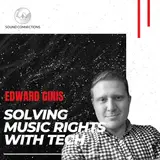
Edward Ginis, co-founder of OpenPlay, explains how the platform frees music companies from distributors that trap catalog data and slow commercial deals.
Questions these episodes answer
Why did Edward Ginis get frustrated with music distributors early in his career?
When he tried to get back years of Concord's own catalog data that the label itself had entered into distributor web portals, he was refused for vague reasons like cost or difficulty. He came to see this as deliberate commercial lock-in designed to make switching distributors too painful to attempt.
From: Building Sustainable Music Tech Companies in a Resistant Industry
What happened to Concord's revenue once OpenPlay proved which music it owned?
Once OpenPlay let Concord tell the world exactly what content it owned with proof, the label saw a sevenfold increase in public performance revenue that had previously been sitting unclaimed in royalty societies and black boxes.
From: Building Sustainable Music Tech Companies in a Resistant Industry
Why did OpenPlay have only one customer for its first several years?
When OpenPlay spun out of Concord, the founders struck a deal making Sony its exclusive reseller, and Ginis says relying on someone else to sell your product never works the way a founder selling it themselves would, so the company had just one customer, Universal Music, until that exclusivity expired.
From: Building Sustainable Music Tech Companies in a Resistant Industry
How does OpenPlay make money and what's its long-term plan?
OpenPlay centralizes music companies' rights and catalog data so it can be managed and moved freely between commercial partners. Ginis says the next stage is turning it into a marketplace, similar to an app store, where music companies subscribe directly to other technology vendors' audio and data tools.
From: Building Sustainable Music Tech Companies in a Resistant Industry
Why does Ginis say building trust with the music industry takes so long?
He says the industry does not solve problems unless a crisis forces it to, and any technology company needs years spent inside a label's day-to-day operations, living its pain, before the industry will actually trust its systems.
From: Building Sustainable Music Tech Companies in a Resistant Industry