Topic
Nordic Music Industry
Music and music tech in Norway, Sweden, Denmark and Finland, and exporting Nordic music. 14 conversations with founders, investors and experts, newest first.
Episodes (14)
Yoel Kenan, founder of Africori, explains why African music consumption is high but revenue stays low, and where catalog and export investment should go next.

Yonas Aregai, chief of staff at Gold State Music, explains how the fund values and acquires music catalogs, using Alan Walker's career as a case study.
Britt Randma of Main Character Agency explains the real financial cost of exporting music from Estonia, from US touring visas to alternative fan monetization.
Takayuki Suzuki of MusicTech Japan discusses Japan's CD dominance, fan club monetization, tiered storytelling, and what Western artists can learn.

Pål Bråtelund of Music DNA explains how music tech companies can share data and revenue through collaboration instead of chasing an acquisition.
Peder Jørgensen, founder of Hance.ai and co-founder of Soundly, explains how machine learning for audio enables noise removal and live stem separation.
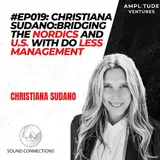
Christiana Sudano, founder of Do Less Management, explains how she connects Nordic artists to LA and Nashville and why managers now handle artist development.
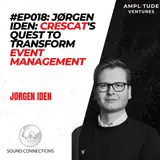
Jørgen Iden, co-founder and CEO of Crescat, explains how collaborative software replaces outdated riders and running orders in live event production.
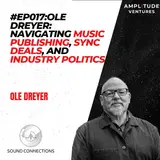
Ole Dreyer of Nordic Music NMS explains how publishing, sync licensing and collection societies work, and why AI companies need to pay for training music.
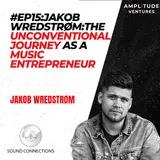
Jakob Wredstrøm, CEO of Capella, explains why he built the company around his own weaknesses and why public ambition kept him accountable in Stavanger.
Caroline Ravn, a young music industry professional in Copenhagen, explains why founders stay CEO too long and how young talent gets trapped.
Christian Ringstad Schultz, co-founder and CEO of Masterchannel, on AI mastering software, aligning co-founders, and expanding a Norwegian startup globally.
Stein Bjelland, chair of Music Norway, explains why artists must understand markets and how Norway could fund music firms without buying equity.
Capella Entertainment's founders explain how pitching music as IP won over investors and helped them build seven companies in under two years.
Questions these episodes answer
Why does African music generate so little revenue despite huge consumption?
Kenan says consumption across Sub-Saharan Africa is high but monetization lags badly. He forecast a billion-dollar recording market by 2017; thirteen years later it sits at about $110 million, held back by low-paying advertising-based streaming, weak telecom-linked subscriptions and unresolved rights splits.
From: Exporting African Music: Rights, Revenue, and Global Growth
Why is buying an African music catalog risky?
Catalog buyers face missing contracts, falsified reports and people who surface years later claiming ownership of recordings made decades earlier. Kenan says he was once given a falsified report and has faced rights disputes on other deals, so he now avoids catalogs whose sellers cannot produce paperwork.
From: Exporting African Music: Rights, Revenue, and Global Growth
Why haven't telecom companies succeeded with their own music platforms?
Telcos control payment and data bundles and have tried repeatedly to launch their own streaming products, but Kenan says none has managed to build a lasting music platform of its own, since users keep gravitating to YouTube and Spotify instead of a carrier's app.
From: Exporting African Music: Rights, Revenue, and Global Growth
Where would an investor get the best long-term return in African music?
Kenan would split money across catalogs whose audiences have not yet moved to streaming, such as gospel music, artists and songs with genuine export potential, and better marketing and data tools for the wider ecosystem, expecting returns only on a ten-to-fifteen-year horizon.
From: Exporting African Music: Rights, Revenue, and Global Growth
Why is Alan Walker considered one of the biggest artists you've never heard of?
Despite having close to 100 billion streams by Aregai's estimate, Alan Walker's mainstream name recognition does not match those numbers, especially outside his core EDM and pop-EDM audience. Aregai says this gap between real consumption and public awareness is common for artists whose value is still being built toward a household name status.
From: The Business of Music Catalogs: How Artists can Profit from IP
What kind of music catalogs does Gold State Music prefer to acquire?
Gold State has bought catalogs across genres and territories, but its sweet spot is rights belonging to artists, songwriters or producers with years of history who are still actively releasing new music. Aregai says ongoing output keeps benefiting the older catalog, and the fund's exploitation efforts benefit the artist's current work in return.
From: The Business of Music Catalogs: How Artists can Profit from IP
How does Gold State Music value a music catalog before buying it?
The fund combines quantitative data such as consumption patterns, demographic trends and historical revenue volatility with harder to quantify factors like an artist's cultural impact and their ongoing engagement with fans. Aregai says the multiple is the number people get stuck on, but it rests on a thorough analysis of the quantitative and qualitative drivers of every song in the catalog.
From: The Business of Music Catalogs: How Artists can Profit from IP
Why doesn't Gold State Music aim to exit its music catalogs quickly?
Aregai says the fund's overarching strategy is to build something that lives on for generations rather than a portfolio built purely to be resold within a few years. Owning rights over a longer horizon lets the fund avoid being stressed by short-term market swings, since its returns are meant to compound over decades.
From: The Business of Music Catalogs: How Artists can Profit from IP
Why is it so hard for musicians from a small country like Estonia to make a living?
Randma says an Estonian act can either go commercial and sing in Estonian for the local market, or spend years building an audience abroad, which takes much longer and needs outside investment. Touring the US to grow Night Tapes cost 14K in visas alone for four people before any ticket was sold.
From: Music Entrepreneur’s Journey: Building Global Success from Estonia
Can musicians earn more from merchandise than from touring?
Randma says merch has become surprisingly important, noting that fans at a rare headline show bought almost every item available. She has heard from other touring managers that some bigger acts actually make more money from merchandise per night than from the concert itself when production costs are high.
From: Music Entrepreneur’s Journey: Building Global Success from Estonia
How can artists build paying relationships with fans beyond streaming?
Randma keeps a private Discord for her band's most dedicated fans and shares exclusive previews there before any public announcement, such as photos from a video shoot days ahead of the single's release. She sees this kind of early, honest access as a more sustainable way to engage fans than posting everything publicly on social media.
From: Music Entrepreneur’s Journey: Building Global Success from Estonia
Why does Britt Randma's band avoid using AI to write music?
Randma says her band has decided not to use AI in songwriting because listeners can recognize tracks made with AI, which feel mechanical rather than carrying the same soul as human-made music. She believes music creation depends on emotional intelligence, which she does not think AI currently has.
From: Music Entrepreneur’s Journey: Building Global Success from Estonia