Topic
Exits and Acquisitions
Selling a music tech company: acquisitions, mergers, consolidation and what founders learned from their exits. 21 conversations with founders, investors and experts, newest first.
Episodes (21)
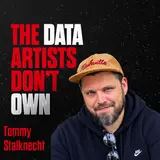
Tommy Stalknecht, founder and CEO of Single Music, discusses Shopify chart reporting, digital content, and fan communities for first-party data.
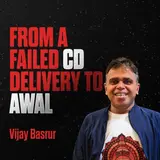
Vijay Basrur, founder of OKListen, explains how he bootstrapped an independent Indian music platform for over a decade before its acquisition by AWAL.

Niclas Molinder, founder of Session, explains why missing metadata costs music creators royalties and why capturing it should become mandatory.
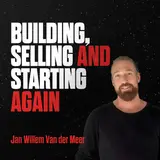
Jan Willem, co-founder of Momants and Paylogic, describes his five-year ticketing exit and why he still bets on founders.

Simon M. Eder, co-founder of Primephonic, explains how solving classical music's metadata problem led Apple to acquire his startup as Apple Music Classical.

Stager's Mike van Gaasbeek and CM.com's Yannick Corbeau on why ticketing startups get bought, why signing fees are loans, and who really sets the fees.
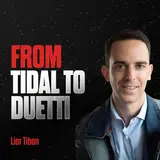
Lior Tibon, CEO and co-founder of Duetti, explains how the company funds catalog buyouts with debt and equity and changes the industry incrementally.

Armada CEO Seamus Menihane, who turned a screen-printing hustle into a 170-person merch company, explains how tour and e-commerce merch deals actually work.

Amplitude Ventures' Jakob Wredstrøm and Taj argue music tech investing has no real supporting data, few active angels, and mostly weak exits below $50 million.

Darryl Ballantyne, founder and CEO of LyricFind, explains the antitrust suit against Musixmatch and why the exclusive Warner deal threatens artists.

Yonas Aregai, chief of staff at Gold State Music, explains how the fund values and acquires music catalogs, using Alan Walker's career as a case study.

Tom Allen, CTO of Downtown Music Group and founder of Curve, explains how he bootstrapped royalty accounting software all the way to acquisition.
Jakob Wredstrøm of Amplitude Ventures breaks down why music tech investors are scarce and how founders should frame their pitch and fundraising targets.
Con Raso of Tuned Global and Andrew Batey, founder of Beatdapp, explain how machine learning catches music streaming fraud and why it pays real artists more.

AI Jake reports on Blackstone's $1.5 billion acquisition of Hipgnosis Songs Fund, covering 40,000 songs and a $2.2 billion enterprise value.

AI Jake reports on Sony Music's advanced talks to buy Queen's catalog for a reported $1 billion, covering music, merchandising, logos and publishing.

Vickie Nauman of Cross Border Works explains industry market fit, why music tech startups fail, and how founders can de-risk music for investors.
Scott Cohen shares how The Orchard survived $3 million in debt to become one third of iTunes and sell to Sony, and why JKBX lets fans invest in hit songs.
Hazel Savage, VP of Music Intelligence at SoundCloud and former Musiio CEO, explains how she built an AI music-tagging startup and sold it to SoundCloud.

Agnes Chung, co-founder of Musicube, on building AI-driven music search in Hamburg and why the startup chose to be acquired by Songtradr.

Mischa Sigtermans, founder of Stagent, explains how the booking platform got built, funded and merged with a longstanding rival.
Questions these episodes answer
Why do artists need Shopify chart reporting?
Single Music reports digital and physical sales from artist storefronts to chart partners like Luminate and Billboard. Without this, millions of units would not count toward the charts, which teams use for budgets and tour slots; the same sales data helps people value catalogs.
From: Building the Infrastructure Behind Modern Artist Commerce
How did Single Music start?
Tommy Stalknecht worked at a digital agency overseeing roughly 500 artist websites. He heard SoundScan reporting struggles after moving stores to Shopify, created a splash page, and received inbound interest from major labels. He launched Single with co-founder Taylor O'Connor in January 2018.
From: Building the Infrastructure Behind Modern Artist Commerce
What is the superfan economy really?
Stalknecht says the superfan label is just the music business applying the 80/20 rule, where 20 percent of fans drive 80 percent of revenue. He warns against treating fans only as wallets because many cannot afford expensive items but are still valuable.
From: Building the Infrastructure Behind Modern Artist Commerce
How can artists collect first-party data?
Artists should drive fans from social platforms like Instagram to owned storefronts, where they can require an email address before streaming content. Single embeds communities and content in Shopify so teams can see where fans live and make better touring decisions.
From: Building the Infrastructure Behind Modern Artist Commerce
How did Vijay Basrur come up with the idea for OKListen?
He wanted to buy music from an independent band he discovered called Them Clones and realized there was no digital way to buy Indian independent music. After the CD he ordered by post missed a home delivery, he researched the market, found nobody was selling independent Indian music digitally, and decided to build the platform himself.
From: Building a Music Tech Company Before the Market Was Ready
Why did investors decline to fund OKListen in its early years?
Venture capitalists told Basrur and his co-founder that independent music was too niche a market to reach real scale, and suggested they pivot toward Bollywood or broader commercial music instead. Basrur and his co-founder were not excited by that advice and chose to stay away from it, so the company went unfunded.
From: Building a Music Tech Company Before the Market Was Ready
How did Vijay Basrur keep OKListen alive while working full-time corporate jobs?
After failing to raise capital, artists urged him to keep the platform alive, so from 2014 to 2019 he held a day job while his co-founder returned to a family business, and he hired a junior employee to keep OKListen running day to day as the business slowly kept growing.
From: Building a Music Tech Company Before the Market Was Ready
How did competition from TuneCore and CD Baby affect OKListen during its acquisition talks with Sony?
While Sony's deliberations dragged on for roughly a year and a half, TuneCore and CD Baby both expanded into India and started taking business from OKListen. Basrur says he could not invest to compete because the company was in the middle of sensitive acquisition talks, so he told Sony's team about the slipping numbers and they agreed not to walk away over it.
From: Building a Music Tech Company Before the Market Was Ready
What role did Vijay Basrur take on after AWAL acquired OKListen?
He committed to stay on for about a year but ended up staying roughly eighteen months, becoming head of India and South Asia. Much of that time went into merging OKListen's finances into AWAL's systems and deciding which independent artists on OKListen's long roster should migrate onto AWAL.
From: Building a Music Tech Company Before the Market Was Ready
Why do creators lose royalties even when their music gets used?
Molinder says every royalty problem he investigated traced back to the same cause: the people who actually created a song were never identified. Once physical formats with printed credits disappeared, nobody recorded who contributed what during the session, so labels, publishers and collecting societies have no way to reconstruct it later, and the money sits unclaimed.
Why did Session decide to be free to use?
Molinder credits his investors Max Martin and Björn Ulvaeus with insisting the entry tier stay free, since a barrier to entry would stop two creators in the same room from collaborating on capturing their credits. Session runs as a freemium product, with paid storage the only tier that costs money.
Why did Session get acquired by Salt instead of staying independent?
Molinder says a small Stockholm startup with a limited budget could not compete with bigger local tech companies for developers, so Session leaned on a London tech partner for years before the two sides concluded that folding Session into that partner, now called Salt, made more sense than staying separate, with Molinder and Ulvaeus moving across too.