Company
Capella Entertainment
Capella Entertainment, as described on the show by Jakob Wredstrøm and Jonah Bjerga and Moi Sultan.
Episodes (2)
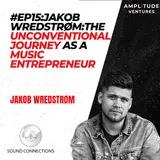
Jakob Wredstrøm, CEO of Capella, explains why he built the company around his own weaknesses and why public ambition kept him accountable in Stavanger.
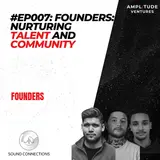
Capella Entertainment co-founders Jonah Bjerga and Moi Sultan explain the three mantras and ownership model that built a fast-growing team without big salaries.
Questions these episodes answer
Why did Wredstrøm hold 25 video calls before moving to Stavanger?
Wredstrøm wanted to map the local music scene before arriving in a city where he knew no one. Starting from a handful of introductions, he had 25 short calls with local industry people so he already understood who was who by the time he moved and could gather them for his three-year plan.
What went wrong when Capella let anyone help build the company?
In the early days Capella welcomed anyone who wanted to get involved, and several of those people turned out to be wrong for the company. Wredstrøm says five to seven people along the way did real damage to the brand, and the company likely did some damage back to them as well.
Why does Wredstrøm hire people who are the opposite of him?
He has learned that the best leaders around him are people with opposite qualities to his own, since he gets bored once work becomes routine and needs others to run the steady, structured parts of the business while he stays focused on new ideas and the future.
How does Wredstrøm handle public doubt about his ambitions?
He says doubt from others fuels him not as praise or criticism but as a signal of where people currently think he stands, which he then uses to decide what he needs to do next to shift that perception, rather than basing his self-worth on their opinions.
Why does Capella Entertainment use the mantra give more than you take?
The founders say give more than you take checks whether a person's basic character fits the team before anything else. Early on it felt like just a slogan, but as they kept applying it while building the company, giving without expecting an immediate return is what let a real community start forming.
Why does Capella hire non-founders at full salary?
The founders say hiring people who are not founders at full market salary signals that Capella has become a serious company. It also raises expectations for everyone else on the team, since real money is now being spent on staff, and momentum has to be kept up to keep paying them.
How does Capella decide who becomes a founder of a new company?
When Capella starts a new company, the founders first train the incoming leaders in the practical skills the job needs, then agree on a fair ownership split, give them a clear purpose, and try to pay them enough to live on, even though a full market salary usually comes later.
Why did Sondre work without pay after joining Capella's Mintix?
Sondre joined Mintix, one of Capella's companies, to work with the blockchain and crypto technology he was passionate about. He held equity but received no pay for about eight months, because the purpose and ownership he was given outweighed the missing salary until Capella could afford to pay him too.