Company
Momants
Momants, as described on the show by Jan Willem.
Episodes (1)
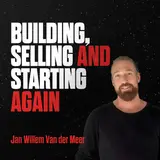
Jan Willem, co-founder of Momants and Paylogic, describes his five-year ticketing exit and why he still bets on founders.
Questions these episodes answer
Why did Paylogic build a white-label ticketing platform instead of competing directly with Ticketmaster?
Jan Willem says Paylogic saw that big ticketing companies charged high fees and owned the relationship with fans that really belonged to event organizers. Paylogic let organizers sell tickets on their own website to their own audience, which most visitors already trusted, and its fintech background let it handle huge peaks like Tomorrowland that other ticketing systems could not process.
From: The 5-Year Exit Nightmare: Surviving My Acquirer's Collapse
What happened when Paylogic's acquirer SFX ran into financial trouble?
SFX had bought roughly 25 to 35 companies at once and did not pay for all of them, so Paylogic was legally sold but not really run by its new owner. When SFX neared bankruptcy, new debt investors took over, kept Jan Willem on to run and protect the company, and the eventual sale to French company Vivendi did not close until 2018, five years after the first deal.
From: The 5-Year Exit Nightmare: Surviving My Acquirer's Collapse
Why did Jan Willem start The Chorus at Amsterdam Dance Event?
During his Paylogic years Jan Willem started Founders Dinner with two other founders, because talking to founders in the same phase helped more than advisors could. When Amsterdam Dance Event's tech stream folded, its organizers asked him to rebuild a startup community there, which became The Chorus, a place where startups connect with big companies, investors and each other beyond competing for a prize.
From: The 5-Year Exit Nightmare: Surviving My Acquirer's Collapse
How does Jan Willem structure his angel investments differently from typical investors?
Jan Willem says he prefers to join as a working co-founder instead of a passive angel. With the music tech company Epic, for example, he took a lower fee for his time in exchange for a larger equity share, staying on as a consultant for a year to help it grow internationally, which he says fits founders who are open but unsure of their next step.
From: The 5-Year Exit Nightmare: Surviving My Acquirer's Collapse