Company
Overtone Studios
Overtone Studios, as described on the show by Niklas Brantberg.
Episodes (1)
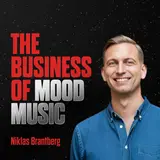
Niklas Brantberg, CEO of Overtone Studios at Epidemic Sound, explains how mood music built a real royalty model and where AI fits into composing it.
Questions these episodes answer
What is mood music and how does Overtone Studios pay its creators?
Mood music is mostly instrumental music, spanning genres like ambient, jazz, lo-fi and deep house, made to soundtrack a mood or activity such as focus or sleep. Overtone Studios works with hundreds of music creators under a 50-50 royalty model, paying out half of what the music earns once it gets placed into playlists and other listening environments.
From: The Mood Music Model: A New Way to Make a Living in Music
Why does Epidemic Sound buy music rights outright instead of using collecting societies?
Epidemic Sound pays creators upfront and takes full rights to the music so it can license it flexibly across every platform and territory without the delays of collecting societies. Brantberg says creators still keep earning after the buyout, since Epidemic pays 15% royalties on streaming revenue plus a soundtrack bonus when a track gets used heavily.
From: The Mood Music Model: A New Way to Make a Living in Music
How much can a mood music composer actually earn?
Brantberg says the average Epidemic Sound music creator earns between 60,000 and 70,000 dollars a year from mood music, with some earning hundreds of thousands, a similar picture at Overtone Studios, which he says is a stronger earning potential than the music industry as a whole offers most creators.
From: The Mood Music Model: A New Way to Make a Living in Music
Does Niklas Brantberg think AI will replace mood music composers?
Brantberg sees AI tools like Suno as useful for sketching early ideas and sparking new sounds rather than replacing composers. He worries fully AI-made mood music risks becoming a repetitive loop of the same familiar sound, and argues human taste and curation are what keeps mood music evolving instead of standing still.
From: The Mood Music Model: A New Way to Make a Living in Music