Guest
Linda Bloss-Baum
Linda Bloss-Baum is Former Senior VP of Public Policy and Government Relations at SoundExchange, as introduced on the show.
Episodes (1)
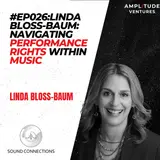
Linda Bloss-Baum, formerly of SoundExchange, explains why US terrestrial radio still doesn't pay performers, and why that keeps failing in Congress.
Questions these episodes answer
Why doesn't US terrestrial radio pay artists a performance royalty?
Terrestrial (AM/FM) radio in the US has always paid songwriters when it plays a song, but never the performers or the labels that own the sound recording. The original justification was that radio airplay promoted an artist enough on its own, a rule set decades ago that never changed even after digital services began paying that royalty.
Why has a US terrestrial radio royalty bill never passed Congress?
Bloss-Baum says broadcasters run a powerful, well-funded lobbying operation with a station in nearly every congressional district, and those stations run the ads that help get local members of Congress elected in the first place. That close relationship makes it very hard for legislators to support a bill broadcasters oppose, even when they privately agree it is the right thing to do.
What did the Music Modernization Act of 2018 actually change?
The MMA created the Mechanical Licensing Collective to bring mechanical royalties for songwriters and publishers into the digital age, similar to how the DMCA earlier created SoundExchange for sound recordings. It also gave artists a federal right to share their royalties with producers, but the terrestrial radio performance right was left out of the final deal.
Why does Linda Bloss-Baum say the music industry undervalues its creators?
Bloss-Baum argues that musicians, producers and songwriters spend years honing a craft that shapes culture and gives people meaning, yet are routinely paid far less than the value they create. She says this devaluation is a major reason she left the corporate side of the industry to advocate directly for creators.