Company
Notes.fm
Notes.fm, as described on the show by Tim Luckow.
Episodes (1)
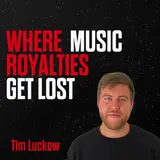
Tim Luckow, founder of Notes.fm, on unmatched metadata, Credits.fm, and collecting royalties held by the MLC and SoundExchange.
Questions these episodes answer
Why do music royalties stay unclaimed?
Tim says a song can be registered and still miss money, because new recordings of that work keep appearing and have to be matched. Most finds are many unmatched recordings that add up to thousands of dollars. The larger sums, six figures in one review, are usually a song with a lot of streams that a publishing admin never finished.
From: Building a Unified System for Music Rights, Data, and Payments
What does Credits.fm do?
Notes.fm could not find the credit data it needed on other platforms, so Tim built Credits.fm as an open index. It holds ISRC, ISWC, IPI, ISNI and UPC codes, a couple hundred million of them. He says about fifteen percent of the full graph is verified by two or more sources.
From: Building a Unified System for Music Rights, Data, and Payments
How does Notes.fm charge for a royalty review?
Tim says almost every competitor takes a percentage of the royalties. Notes.fm charges a subscription, plus usage for the higher end. He says the MLC and SoundExchange do not love percentage deals, so anyone can buy a catalog review. If a catalog already has an admin, Notes.fm sends a CSV and does not take that admin.
From: Building a Unified System for Music Rights, Data, and Payments
Can musicians outside the US claim this money?
Tim says the royalties in this US collection come from US listening, and musicians outside the US can claim them when they have those streams. He treats it as one country and one source. Notes.fm is making deals country by country, and it wants PROs to help verify that a musician really worked on a song.
From: Building a Unified System for Music Rights, Data, and Payments
Will music distribution and publishing stay separate?
Tim questions whether distribution and publishing remain two businesses. He hears each side say the other never sent the code, and he thinks one service could do both jobs and price them in a more a la carte way. He says publishing is the sector that will change the most in the next five years.
From: Building a Unified System for Music Rights, Data, and Payments