Company
AI-OK
AI-OK, as described on the show by Dr. Martin Clancy.
Episodes (1)
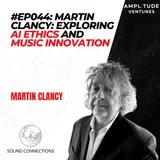
Dr. Martin Clancy explains AI-OK, his certification for ethical generative AI music, and why regulation cannot keep pace with how fast AI moves.
Questions these episodes answer
What is AI-OK and what does it certify in AI-made music?
AI-OK is Clancy's certification concept for generative AI music, meant to work like an ongoing signal rather than a fixed rulebook. It flags a product once it does something nobody foresaw and had no way of preparing for, and the label can be revoked if that use later turns out not to be okay.
Why does Clancy say we can't just regulate generative AI music?
Clancy argues AI is developing faster than lawmakers can realistically respond to, so writing rules for today's tools does not prepare anyone for the next wave of AI behavior. That is why he built AI-OK as a continuing signal instead of a one-time law.
How did YouTube get away with hosting unlicensed music for years?
Clancy points to a legal loophole originally written to protect the film industry, which platforms like Google and YouTube used to host user-uploaded content without taking on full licensing responsibility. As a result, YouTube functioned for years as the world's biggest music jukebox while effectively operating like a pirate radio station.
Do listeners prefer music made by humans over AI?
Right now, yes, according to Clancy: audiences say they prefer music they are told was made by a human. He adds that this is a current fashion rather than a fixed law, and expects tastes could shift toward accepting or even preferring AI-made music over time.
Will the tool an artist uses to make music matter in the future?
Clancy thinks it will matter less and less, because powerful AI tools will become available to almost everyone. What will separate artists, in his view, is the quality of their thought, their intent and having something real to say, well beyond which specific tool produced the final sound.