Topic
Merchandise and E-commerce
Merchandise, e-commerce and virtual goods as revenue for artists and music brands. 8 conversations with founders, investors and experts, newest first.
Episodes (8)
Tommy Stalknecht, founder and CEO of Single Music, discusses Shopify chart reporting, digital content, and fan communities for first-party data.

Jacquelle Amankonah Horton, founder of Fave, explains what superfans want beyond merch and why fan-to-fan commerce is the real fandom market.
Jack McCarthy, co-founder of Indiepreneur, explains how artists with a fan base leave e-commerce revenue on the table and how Indie X helps them capture it.

Armada CEO Seamus Menihane, who turned a screen-printing hustle into a 170-person merch company, explains how tour and e-commerce merch deals actually work.
Jennifer Sullivan, CMO of KiTbetter, explains how the KIT album turns K-pop's physical-digital format into fan ownership and real artist revenue.

Joseph Perla, founder of Hangout.fm and creator of TurnTable.fm, explains why music licensing took four years to secure before launch.
Vickie Nauman, founder of Cross Border Works, explains why streaming capped superfan spending and where Web3 can bring it back.
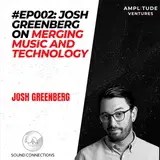
Josh Greenberg, founder of Green Mountain Lodge and former Red Bull and Spotify executive, traces how technology took over the music industry.
Questions these episodes answer
Why do artists need Shopify chart reporting?
Single Music reports digital and physical sales from artist storefronts to chart partners like Luminate and Billboard. Without this, millions of units would not count toward the charts, which teams use for budgets and tour slots; the same sales data helps people value catalogs.
From: Building the Infrastructure Behind Modern Artist Commerce
How did Single Music start?
Tommy Stalknecht worked at a digital agency overseeing roughly 500 artist websites. He heard SoundScan reporting struggles after moving stores to Shopify, created a splash page, and received inbound interest from major labels. He launched Single with co-founder Taylor O'Connor in January 2018.
From: Building the Infrastructure Behind Modern Artist Commerce
What is the superfan economy really?
Stalknecht says the superfan label is just the music business applying the 80/20 rule, where 20 percent of fans drive 80 percent of revenue. He warns against treating fans only as wallets because many cannot afford expensive items but are still valuable.
From: Building the Infrastructure Behind Modern Artist Commerce
How can artists collect first-party data?
Artists should drive fans from social platforms like Instagram to owned storefronts, where they can require an email address before streaming content. Single embeds communities and content in Shopify so teams can see where fans live and make better touring decisions.
From: Building the Infrastructure Behind Modern Artist Commerce
What do superfans actually want to spend money on beyond official merchandise?
Horton says demand isn't the problem, fans already have disposable income for fandom but too few things worth buying. Official merchandise works as a keepsake, but day to day fans wear subtle items built from community inside jokes: a bag carrying a phrase only fans recognize, hand fans for a hot venue queue, or a resold Letterman jacket.
How does Fave help artist teams work with fan creators?
Fave gives artist teams a way to spot the fans already driving activity in their community, then clear their ideas and IP questions so those fans can create and sell without guessing whether it is allowed. Horton says many fans hold back ideas out of fear it might not be permitted, so removing that uncertainty turns a fan's side project into something the artist team can support.
Why do fans hold back on turning their ideas into products or events?
Fans often do not know whether an idea uses the artist's IP in a way that is allowed, so many sit in doubt about whether it is a gray area or forbidden outright. Rather than risk it, they hold back, which means the artist loses the extended engagement that idea could have created and the fan misses out on what could have become a real business.
Is the fandom market bigger than the widely quoted figures suggest?
Horton says the commonly cited $4 billion fandom figure understates the real number. Fan-to-fan sales of items like resold Letterman jackets often match or beat official merchandise prices, and once you count fan-run product lines, experiences and events, the volume rivals premium official offerings and the market is significantly larger than the older estimate.
Where does Fave focus within the fandom market?
Horton splits the fandom market into three parts: artist-to-fan tools and communication, fan communities interacting with each other, and fans exchanging and selling to each other. She says the first two are already served by existing platforms, so Fave focuses on the third, fan-to-fan commerce, which she sees as the least understood and fastest growing.
Why do artists with a big fan base still leave money on the table?
McCarthy says most artists with a sizable following never set up e-commerce basics such as retargeting ads, pixel tracking or automated email flows, tools that are standard in other online businesses but rarely used in music, especially by labels.
What order should an artist follow when launching e-commerce?
Indie X starts by building an email and text list through a simple opt-in offer tied to an upcoming release, uses that list to run a sales promotion, then adds paid traffic once the audience is warmed up, mostly running ads on Meta because McCarthy calls it still the most stable platform.
Why does owning the merch channel matter for an artist's margin?
McCarthy says third-party licensing deals for merch can crush an artist's margin, so owning the e-commerce channel directly lets the artist keep more of what a sale generates instead of handing a cut to a licensing partner.