Company
Sound Diplomacy
Sound Diplomacy, as described on the show by Shain Shapiro.
Episodes (1)
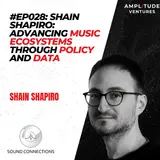
Shain Shapiro, founder of Sound Diplomacy, explains why music's ecosystem gets devalued and how cities can treat music as an economic tool.
Questions these episodes answer
What does Shain Shapiro mean when he says the music ecosystem around music itself gets devalued?
He argues music itself will always be valued because it is part of the human condition, present at weddings, funerals, exercise and religious ceremonies. What gets misunderstood or undervalued is the complex process of getting music to people, largely because most countries lack the data or systems to show how much that process is worth.
What happened with Madison, Wisconsin's music and equity task force?
After hip-hop had effectively been criminalized amid tense relations between police and Black and brown communities, an academic and a rapper led a city task force that produced a report and a pressure group called Greater Madison Music City. The group has since secured investment for a full-time staff position and pushed for zoning law reform.
Why does Shain Shapiro call music investment outsourced talent development?
He argues that when a city or organization invests in music, it is effectively paying for talent development that the music industry would otherwise have to fund itself, similar to a company outsourcing a call center to a lower income country. That framing helps make the economic case for outside investment in music.
What advice does Shain Shapiro give entrepreneurs pursuing music industry ventures?
He says founders should take the time to understand the industry's history and existing complexity, because assuming a new idea is the whole solution to a long-standing problem usually does not work. He advises being humble, respecting what has already been tried, and keeping the focus on the product rather than yourself.
How big could the music industry become, according to Shain Shapiro?
He says he believes the music industry could become worth five or six times what it is worth today and employ hundreds of thousands more people, if music were properly built into policy and investment decisions everywhere rather than treated as an afterthought.